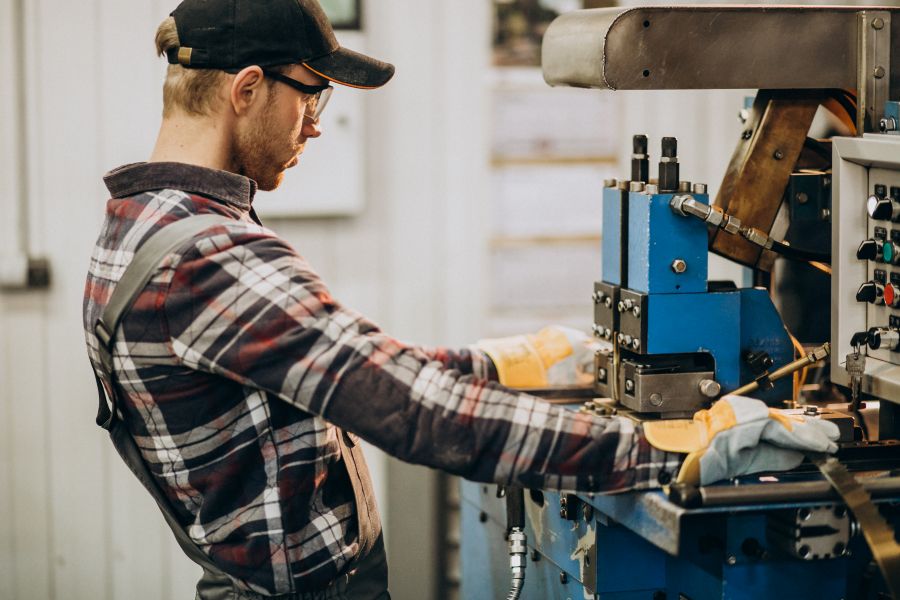
In CNC machining, accuracy isn’t just about your cutting program or spindle performance—it starts at the intersection of two key elements: tooling and workholding. If either of these is misaligned, even slightly, the result is a cascade of problems that affect tolerances, surface finish, tool wear, and cycle time.
While most shops understand the importance of high-quality tools and fixtures, they often overlook the alignment between them. Even when using the best equipment, if your setup isn’t aligned and verified, your results will suffer. And unlike obvious machining errors, misalignment creates subtle inconsistencies that are harder to detect but costly to fix.
In this article, we’ll break down exactly what happens when tooling and workholding aren’t aligned—and how to avoid the production losses that come with it.
Components Create Accuracy and Stability Issues
When your tool and workholding systems aren’t properly aligned, the first place you’ll see the impact is in your part quality and process stability. Misalignment at the setup stage might not trigger alarms or cause crashes, but it quietly introduces compounding accuracy issues that affect everything that follows.
How Misalignment Shows Up in Machining
- Tapered Features and Non-Concentric Cuts
If your part isn’t clamped squarely or your tool isn’t cutting on-center, round features won’t be round. Tapers, bell-mouthing, and inconsistent diameters are common results. These are easy to miss until inspection reveals out-of-spec dimensions. - Surface Finish Problems
When a tool engages the material unevenly due to misalignment, it causes chatter, uneven cutting pressure, and tool deflection. This leads to poor surface finishes—even if your feeds and speeds are dialed in. - Tool Wear and Shortened Life
Misalignment increases tool load unpredictably, leading to premature wear, chipping, or breakage. You’ll spend more on inserts and regrinds, and less time with the machine in cycle. - Longer Setup and Cycle Times
Operators forced to manually compensate for misalignment—either with offsets, shims, or slower feeds—waste valuable setup and machining time. Every workaround adds friction to your process.
Workholding as the Foundation
Proper part alignment begins with your workholding solution. A self centering vise eliminates many common setup errors by automatically aligning the workpiece to the center of the machine. This not only reduces setup time, but also ensures consistent part positioning across runs.
Unlike traditional vises, which require manual adjustment and alignment checks, self-centering vises reduce operator-dependent variability. When your part starts in the right position, every operation downstream becomes more predictable and accurate.
Tooling and Workholding Alignment Is Critical for Consistent Results
You can have the most accurate CNC machine on the market, but if your tooling and workholding aren’t aligned, you won’t get repeatable results. For shops producing high-precision parts, small inconsistencies in alignment are enough to cause big problems.
The Measurement Tools That Make the Difference
The key to effective alignment is verification—and that’s where your measurement tools come in.
Dial Indicators
Dial indicators are a must-have for any serious machinist. They allow you to check:
- Vise squareness and flatness
- Part runout in a chuck or collet
- Rotary axis and fixture alignment
- Tool concentricity in a spindle or turret
Using a test indicator to sweep your vise before running a job takes just minutes, but can prevent hours of rework, tool changes, and failed inspections. It’s the fastest way to identify misalignment before it costs you production time.
Dial Calipers
Once the part is clamped and cut, you need fast, reliable dimensional checks to confirm that your setup is working. A quality dial caliper helps verify:
- Raw stock dimensions before machining
- Feature depths and widths after roughing
- Repeatability across multiple parts
Using calipers during and after setup gives you a quick way to ensure that your toolpath and setup are working as intended—without waiting until final inspection to catch a problem.
How Alignment Affects Repeatability
If your workholding or tooling setup is misaligned, your machine may produce an acceptable first article—but fail to hold tolerance on repeat parts. Over time, even small deviations in setup or tool seating create stacked errors that throw your process off course.
By aligning your fixture and verifying tool position before pressing cycle start, you eliminate the root cause of repeatability issues. This leads to:
- Faster first-article approvals
- Fewer offset tweaks between parts
- More consistent cycle times
- Reduced inspection time
In shops with multiple operators or multiple shifts, consistent alignment practices become even more important. Smart tooling and alignment protocols ensure that every setup starts from the same reliable baseline—regardless of who’s running the machine.
Final Thoughts: Alignment Isn’t Optional—It’s Essential
Misalignment between tooling and workholding doesn’t just impact accuracy—it affects your entire machining process. It increases scrap, shortens tool life, lengthens cycle times, and creates frustration on the shop floor. And the worst part? It’s often avoidable with just a few more minutes spent on setup verification.
If you want more consistent results, better surface finishes, and fewer headaches, the solution starts with tooling and workholding alignment. Use a self centering vise to ensure proper part location, verify squareness and runout with dial indicators, and double-check dimensions with a dial caliper to catch errors before they multiply.