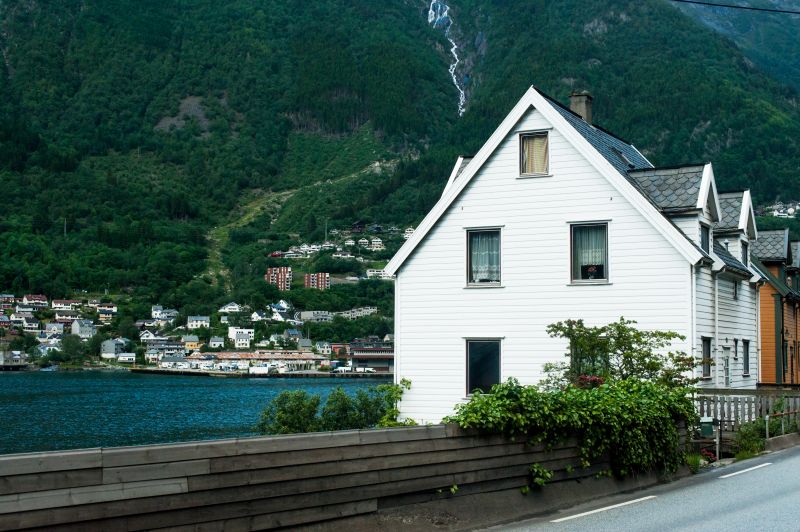
Owning a home near a lake, river, or coastline comes with undeniable perks: better views, cooler breezes, and a slower pace of life. But those same water-adjacent conditions that make waterfront living so appealing also create a distinct set of challenges for anyone planning exterior upgrades, maintenance schedules, or seasonal decor. What works for a typical inland property often falls short — or fails outright — when applied to a home that sits close to water.
Understanding why waterfront properties demand a different approach starts with recognizing the environmental forces at play: humidity, salt exposure, wildlife activity, vegetation growth, and unpredictable seasonal weather. Each of these factors interacts with exterior materials and installations in ways that homeowners further from water simply don’t have to consider as heavily.
Humidity Changes Everything About Exterior Durability
Homes near water are almost always exposed to higher ambient humidity than properties even a few miles inland. This moisture-heavy air accelerates wear on nearly every exterior surface. Wood trim swells and contracts more dramatically, paint blisters and peels faster, and metal fixtures are far more prone to corrosion.
For exterior planning, this means material selection can’t follow generic guidelines. Fasteners, brackets, and fixtures need higher corrosion resistance ratings than what’s typically recommended for standard installations. Sealants and caulking require more frequent inspection, since humidity works its way into small gaps and expands existing cracks over time. Even something as simple as mounting hardware for gutters, shutters, or outdoor lighting has to be chosen with moisture resilience as a primary criterion, not an afterthought.
Humidity also affects timing. Projects that involve painting, staining, or applying protective coatings need to work around humidity levels, not just temperature, to ensure proper curing and adhesion.
Salt Exposure Adds a Layer of Complexity
For homes directly on the coast, or even those near brackish rivers and estuaries, salt exposure introduces an entirely separate set of concerns. Salt-laden air is aggressively corrosive to standard metals, and salt spray can travel much farther inland than most homeowners expect, especially during storms or high-wind periods.
This changes the calculus for nearly every exterior component. Standard galvanized hardware often isn’t sufficient near saltwater; stainless steel or specially coated alternatives become necessary to avoid premature rusting. Exterior electrical components, including outlets, junction boxes, and any wiring exposed to the elements, need weatherproof and corrosion-resistant housings rated for coastal use.
Landscaping decisions are affected too. Salt exposure limits which plants can thrive near the property line, which in turn influences how homeowners design walkways, fencing, and other structural elements that interact with vegetation. Anyone planning long-term exterior upgrades on a coastal property has to treat salt resistance as a baseline requirement, not an upgrade option.
Wildlife Patterns Shift Near Water
Proximity to water changes the wildlife a property is likely to encounter, and that has real implications for exterior planning. Waterfowl, raccoons, and various insects are drawn to water sources, and their presence can influence everything from landscaping choices to the placement of structures and fixtures.
Birds nesting in eaves or gutters near water are common, which means exterior maintenance schedules often need to include more frequent inspections during nesting seasons. Insect activity, particularly mosquitoes and other water-breeding species, tends to be higher near ponds, lakes, and slow-moving rivers, influencing decisions about outdoor lighting, seating areas, and even paint or stain choices that may deter (or attract) certain pests.
Homeowners planning fencing, walkways, or garden beds near water often need to account for erosion caused by animal activity, as well as the practical realities of maintaining a clean, functional yard when wildlife traffic is heavier than a typical suburban lot.
Vegetation Grows Differently — and Faster — Near Water
Water access generally means more vigorous plant growth. While this can create a lush, attractive landscape, it also means vegetation maintenance becomes a more constant, demanding task. Grass, shrubs, and trees near water sources often grow faster and require more frequent trimming to keep walkways clear, prevent root intrusion near foundations, and maintain sightlines and curb appeal.
This rapid growth also affects long-term exterior planning. Structures like decks, patios, and outdoor lighting installations need clearances that account for future growth, not just current conditions. Roots from waterfront vegetation can shift soil and affect the stability of pathways or fence posts over time, so planning with growth patterns in mind — rather than reacting to problems after they occur — tends to save homeowners significant time and expense.
Seasonal Weather Swings Hit Waterfront Properties Harder
Water moderates temperature, but it also amplifies certain weather effects. Waterfront properties are more exposed to wind, since there are fewer natural windbreaks between open water and the home. This increases wear on exterior fixtures, siding, and anything mounted outdoors, from shutters to seasonal decorations.
Storms tend to bring more direct impact near water as well, whether that’s wave action along a coastline, flooding along a riverbank, or simply stronger gusts sweeping unobstructed across a lake. Exterior planning for waterfront homes has to account for this increased exposure, favoring more secure mounting methods, higher-rated materials, and maintenance schedules that anticipate storm season rather than respond to it after damage has already occurred.
Seasonal Lighting Requires Its Own Specialized Approach
All of these factors — humidity, salt exposure, wildlife, vegetation, and weather — come together in a particularly noticeable way when it comes to seasonal lighting. Installing holiday lights on a waterfront property isn’t simply a matter of stringing up standard string lights and calling it done. Wind exposure means securing lights more thoroughly to prevent damage or displacement. Humidity and, in coastal areas, salt exposure necessitate selecting weatherproof-rated fixtures and connectors that can withstand sustained moisture without shorting out or corroding partway through the season. Vegetation growth near the home may require adjusted mounting points compared to prior years, and wildlife activity can influence where cords and connections are routed to avoid interference.
This is where professional experience becomes especially valuable. Homeowners considering outdoor Christmas light installation in Conway benefit from working with a team that understands these local, water-adjacent conditions and plans installations accordingly, rather than applying a one-size-fits-all approach that wasn’t designed with humidity, wind, and moisture exposure in mind.
Planning Ahead Pays Off
Waterfront and near-water homes offer a lifestyle that’s hard to beat, but they demand a more thoughtful approach to exterior planning across the board. From material selection to maintenance timing to seasonal projects like holiday lighting, every decision benefits from factoring in the unique environmental pressures that come with living close to water. Homeowners who plan with these realities in mind — rather than discovering them through trial and error — tend to enjoy longer-lasting exteriors, fewer surprise repairs, and a home that holds up beautifully against everything the water brings with it.