The first time interior designer Marcy Tillman used candy paint in a client’s den in Nashville, she was nervous. The homeowner — a retired auto mechanic named Dale — had specifically requested the same deep, glassy red he had admired on a 1969 Chevrolet Camaro in his shop for thirty years. “I thought it was going to look like a fast-food restaurant,” Marcy laughs now. “But when the second coat dried under the recessed lighting, we both just stood there. It looked like a jewel had swallowed the room.”
That moment is one that more American homeowners are chasing in 2025. A finish once reserved for custom automotive shops and candy paint car enthusiasts is now pulling serious attention in the interior design world. And for good reason.
What Exactly Is Candy Paint?
Candy paint is not a single product — it is a multi-layer finish technique. In its original automotive form, candy and paint systems involve three distinct layers: a metallic or chrome base coat, a translucent tinted “candy” mid-coat, and a clear protective topcoat. The translucent mid-layer is what creates the signature depth. Light passes through it, bounces off the metallic base, and returns through the color layer, giving candy painted surfaces a three-dimensional glow that standard opaque paints simply cannot achieve.
For interior applications, paint brands and specialty suppliers have developed water-based candy paint formulations that achieve similar layered luminosity without the hazardous solvents found in automotive candy paint. The result is a wall finish that shifts subtly under different lighting conditions throughout the day.
Quick Fact: According to Sherwin-Williams’ 2024 color forecast report, searches for high-saturation, jewel-toned interior finishes increased by 41% year-over-year — with deep reds, blues, and purples leading the surge. All core candy paint colors.
A Room-by-Room Look at Candy Paint Colors
Candy Apple Red Paint: The Statement Dining Room
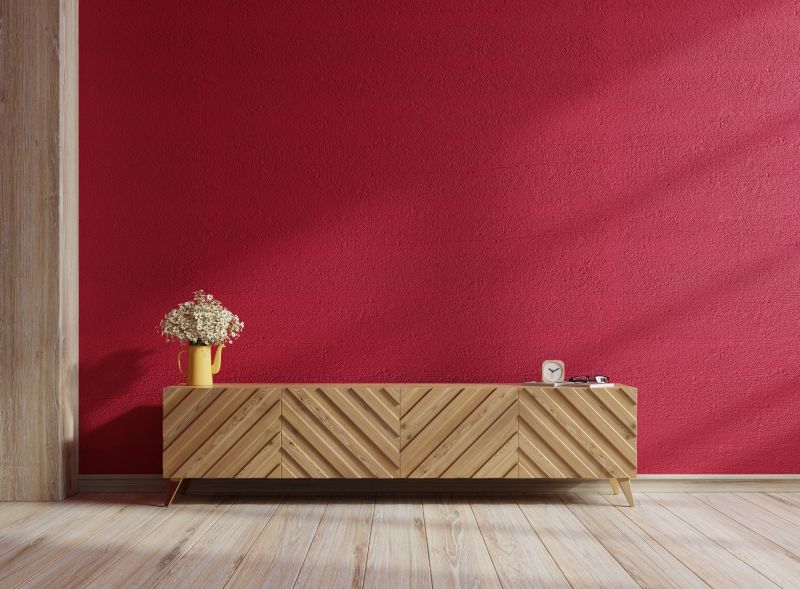
Candy apple red paint is the color that started the whole conversation. Deep, warm, and unmistakably bold, candy apple red paint color carries an almost physical warmth that makes dining rooms feel intimate and energized simultaneously. Interior stylists recommend pairing this candy apple red car paint-inspired shade with brushed brass hardware, dark walnut furniture, and matte black fixtures. Avoid flat white trim — it competes. Opt for off-white or cream instead.
Candy Blue Paint: The Bedroom Gamble That Pays Off
Candy blue paint has a cooler, more calming intensity compared to its red counterpart. The candy blue paint colors that work best in residential interiors tend to fall in the cobalt-to-sapphire range — deep enough to feel cocooning in a bedroom, vivid enough to avoid reading as navy. Designer Priya Rao, who runs a boutique design studio in Austin, Texas, has used candy blue on three bedroom accent walls this year alone. “It photographs beautifully and it makes people feel like they are sleeping inside a gemstone,” she says.
Candy Purple Paint: The Unexpected Home Office Hero
Candy purple paint is having an outsized moment in home offices and creative studios. Unlike lavender or dusty mauve, candy purple carries real pigment saturation. One popular combination making rounds on design blogs pairs it with light natural oak shelving and warm LED task lighting — the wood tones prevent the purple from feeling cold, and the warm light enriches the candy finish throughout the day.
Candy Green Paint: The Kitchen Surprise
Candy green paint in an emerald or forest-leaning tone is showing up on kitchen islands and lower cabinet banks across the country. Unlike sage (softer and more muted), candy green carries visible depth. Paint suppliers note this shade works particularly well in kitchens because of its interaction with natural morning light — it shifts from a rich bottle-green at night to an almost luminescent jewel tone when morning sun hits it directly.
Candy Red Paint and the Automotive Crossover
There is an important distinction between candy red paint used in interiors and candy red car paint used in automotive candy paint systems. Automotive candy paint — including the candy red car paint used on custom builds — is solvent-based and formulated for metal adhesion. Interior-grade candy red paint uses water-based binders safe for drywall and plaster. When shopping, always confirm you are purchasing interior-rated formulas. The finish can look almost identical, but the chemistry matters for indoor air quality.
Candy Black Paint: High Drama Done Right
Candy black paint — sometimes called black candy paint — is the most nuanced option in the family. In certain lights it reads as a standard deep black. In others, an almost holographic shimmer surfaces. This makes it ideal for statement ceilings, powder room walls, and bar nooks where theatrical lighting can animate the finish. Pair candy black paint with polished chrome or mirror elements to maximize the light play.
A Word on Foam Candy Paint Grape and Textured Finishes
A newer entry in the category is foam candy paint grape — a foam-roller-applied candy finish in deep grape-purple tones. This product category was popularized by specialty paint distributors targeting DIY home decorators who want the candy painted look without a spray gun. The foam application method creates a slightly different texture than sprayed candy paint but still delivers strong depth and saturation. It is an accessible entry point for homeowners wanting to test the candy paint look in a smaller space like a powder bathroom or hallway before committing to a full room.
What Homeowners Are Saying
“I used candy purple paint in my home office and it completely changed how I feel sitting in there. It feels intentional — like the room was designed, not just painted.” — Sandra K., Phoenix, AZ
“My contractor warned me that candy blue paint would be hard to live with. Two years later, I would never go back to a grey wall. Everyone who comes in asks about it first.” — Marcus T., Chicago, IL
Practical Tips Before You Start
Surface preparation is more important with candy paint than with any standard interior paint. Because the candy layer is translucent, every imperfection in the wall — every patch, popped nail, or seam — will be visible and even emphasized by the finish depth. Skim-coat your walls before priming. Use a metallic or high-sheen base coat, not a standard flat primer. The metallic base is what creates the reflective foundation that gives candy paint its characteristic glow.
Lighting also matters enormously with candy paint colors. Before committing to a full room, paint a large sample board (at least 24 by 24 inches) and observe it across morning light, afternoon sun, and artificial evening light. The same candy apple red paint color can look warm and inviting under incandescent bulbs and electric-vivid under cool LED daylight. Neither is wrong — but you should know what you are choosing before you roll it on every wall.
Frequently Asked Questions
Is candy paint the same as automotive candy paint? They share the same concept — layered translucent color over a reflective base — but the chemistry is different. Automotive candy paint (including candy red car paint and candy apple red car paint used on vehicles) is solvent-based and formulated for metal surfaces. Interior candy paint uses water-based formulas safe for drywall. Never use automotive candy paint indoors.
Can I apply candy paint myself as a DIY project? Yes, especially with foam candy paint products. Traditional spray-applied candy paint requires skill with an HVLP spray gun and significant surface prep. Foam-roller formulations like foam candy paint grape are more forgiving for beginners. Start with a smaller space — a powder room, a closet, or a single accent wall — to build confidence before tackling a full room.
How durable is candy paint on interior walls? Interior-grade candy paint with a quality clear topcoat is quite durable — comparable to a standard semi-gloss finish. The topcoat is what does the protective work. Always finish candy painted walls with a water-based polyurethane or manufacturer-specified clear coat. This also makes the surface washable, which matters in dining rooms and kitchens.
What is the candy paint strain? The candy paint strain is a cannabis variety named after the automotive and design term for its sweet, layered flavor profile. It is unrelated to interior design products. If you arrived here searching for that — welcome, but our specialty is walls.
Which candy paint colors work best in small spaces? Counterintuitively, deep candy paint colors can work beautifully in small spaces because they create a sense of enveloping depth rather than pushing walls in. Candy black paint, candy purple paint, and candy blue paint are all strong choices for powder rooms, wet bars, and reading nooks. The key is pairing them with strong artificial light sources that activate the candy finish’s natural luminosity.
The Bottom Line
Candy paint is not a trend for people who are unsure about color. It rewards conviction. But for those willing to commit — to the surface prep, to the layering, to the lighting audit — the result is a room that simply cannot be replicated with anything available at a standard hardware store. Whether your instinct runs toward candy apple red paint, a moody candy black, an electric candy blue, or a rich candy purple, this finish category offers a level of depth and individuality that the current American home design landscape has been quietly starving for.
Dale’s den in Nashville? Marcy gets asked about it every time a new client visits her portfolio. The candy painted walls still stop people cold.