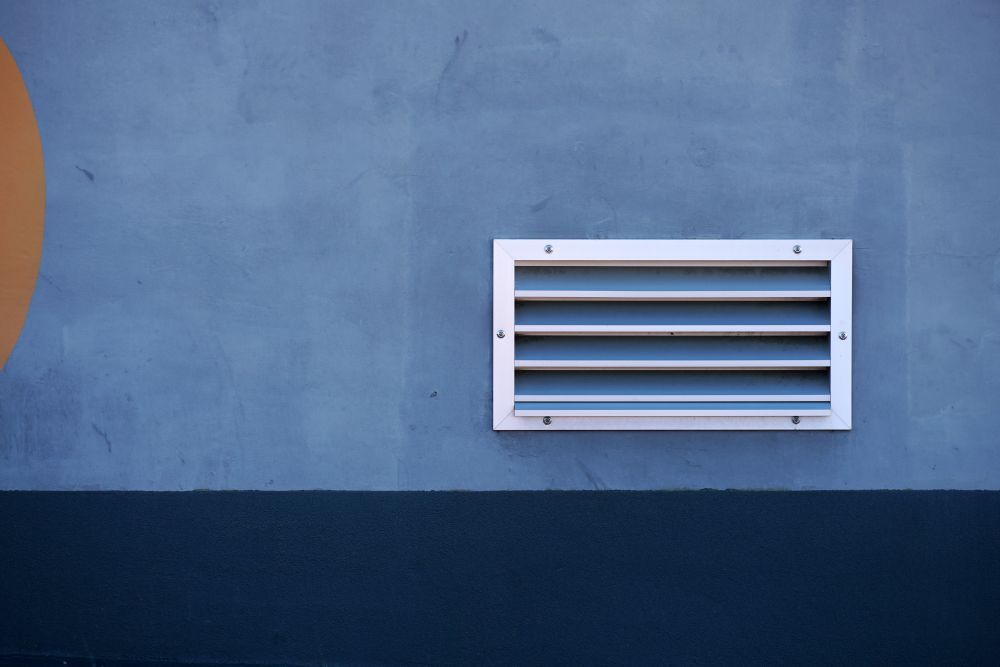
Last October, my neighbor Dave called me in a mild panic. He’d just paid a $3,200 mold remediation bill — for a crawl space he thought was “fine.” He’d kept his vents wide open all year, assuming fresh air meant a healthy home. Nobody had ever told him otherwise.
That conversation is why I’m writing this.
The question of crawl space vents open or closed is one of the most misunderstood topics in home maintenance. It’s not a simple yes-or-no answer — and the wrong choice quietly causes rot, mold, pest infestations, and energy loss for years before you even notice.
Let’s break it down, season by season, climate by climate.
The Old Logic (And Why It’s Outdated)
For most of the 20th century, U.S. building codes required foundation vents in crawl spaces. The idea was simple: outside air would circulate under the house and carry away moisture.
That logic made some sense in dry climates. But here’s the problem — in humid regions, outside air often carries more moisture than the air already in your crawl space. When warm, humid air hits the cool surfaces under your floor, it condenses. And that condensation is exactly what mold and wood rot need to thrive.
The Building Science Corporation has documented this extensively. Their research shows that in hot, humid climates (think the Southeast, Mid-Atlantic, and Gulf Coast), vented crawl spaces actually perform worse than sealed ones in terms of moisture control.
So Should Crawl Space Vents Be Open or Closed?
Here’s the honest answer: it depends on your climate, your home’s construction, and the season.
If you live in a dry climate (think the Southwest — Arizona, Nevada, New Mexico), open vents can still work well in summer. Dry outside air genuinely helps ventilate the space.
If you live in a humid climate (Southeast, Midwest, Pacific Northwest), open vents in summer are often counterproductive. Sealing and conditioning the crawl space usually performs better.
For mixed climates (the Mid-Atlantic, parts of the Midwest), the answer changes by season — which brings us to winter.
Crawl Space Vents Open or Closed in Winter
This is where most homeowners make a clear, costly mistake.
In winter, crawl space vents should almost always be closed.
Here’s why. Freezing air rushing through open vents can freeze your pipes — and a burst pipe can cost anywhere from $1,000 to $15,000 in damage, according to the Insurance Information Institute. Beyond pipes, cold air forces your HVAC system to work harder to heat floors above the crawl space, raising your utility bills.
A good rule of thumb: close vents when outdoor temperatures consistently drop below 40°F. In most northern U.S. states, that means closing up by mid-October and reopening — if at all — in late April.
“We’d had cold floors every winter for six years,” says Rachel T., a homeowner in Columbus, Ohio. “Once we closed the crawl space vents in fall and added a vapor barrier, the difference in our floors — and our gas bill — was immediate.”
The Case for Just Sealing It Completely
An increasing number of home performance contractors are recommending that homeowners skip the seasonal open/close routine entirely and encapsulate the crawl space — sealing vents permanently, adding a thick polyethylene vapor barrier on the floor, and conditioning the space with a dehumidifier or by tying it into the home’s HVAC.
The U.S. Department of Energy estimates that crawl space encapsulation can reduce energy usage by 15–18% in applicable homes. It also eliminates the guesswork of seasonal vent management.
The upfront cost runs between $1,500 and $5,500 depending on crawl space size and local labor rates — but many homeowners report recouping that in energy savings and avoided repairs within 4–7 years.
A Quick Checklist by Season
Spring: Inspect for winter moisture damage. If you have traditional vents, open them cautiously — monitor indoor humidity levels before leaving them open.
Summer (dry climates): Open vents are generally fine. Add a vapor barrier on the crawl space floor if you don’t have one.
Summer (humid climates): Keep vents closed or seal permanently. Run a dehumidifier if unconditioned.
Fall/Winter: Close vents before the first freeze. Check that any insulation between floor joists is intact.
FAQs
Q: Is it okay to leave crawl space vents open year-round? In dry climates with moderate temperatures, possibly — but it’s a risk in most of the U.S. Year-round open vents in humid regions are a leading cause of crawl space mold.
Q: How many vents should a crawl space have? Traditional code requires 1 square foot of vent area per 150 square feet of crawl space floor area. However, if you’re encapsulating, those vents get sealed entirely.
Q: Can I seal my crawl space vents myself? Yes — magnetic vent covers are available at most home improvement stores for $10–$25 each and make seasonal switching easy. For permanent encapsulation, a professional is worth the investment.
Q: Will closing my vents cause moisture to build up inside? It can, if you don’t also address the vapor barrier situation. Closing vents without a proper ground cover actually traps ground moisture. Always pair closed vents with a minimum 6-mil polyethylene vapor barrier.
Q: How do I know if my crawl space vents are causing problems? Signs include musty odors in the home, unexplained allergy flare-ups, cold floors in winter, visible mold on joists, or higher-than-usual energy bills.
The Bottom Line
The debate around crawl space vent open or closed isn’t really about vents — it’s about moisture management. Whether you stick with seasonal vent control or go all-in on encapsulation, the goal is the same: keep moisture out, keep conditioned air in, and stop giving mold a free home.
Dave eventually encapsulated his crawl space. He told me last spring it was the best $2,800 he’d spent on the house — and he hasn’t had a musty smell since.
Start with your climate. Then check your season. Then look under your house. What you find might change how you think about it entirely.
Have a crawl space story of your own? Drop it in the comments — I read every one.