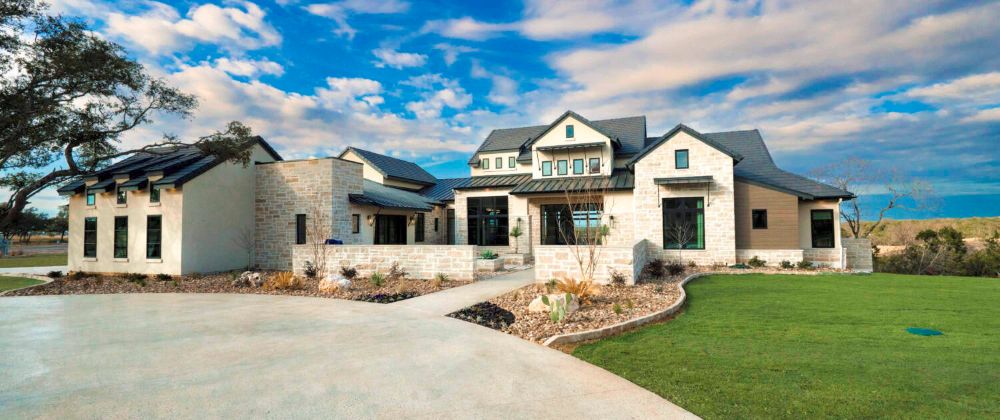
A few summers ago, my neighbor Karen decided to refresh her 1990s colonial on a tight budget. She repainted the shutters a deep navy, added a new mailbox, and planted boxwoods along the front walk. The house looked better — but something still felt off. It wasn’t until her contractor pointed it out that the problem became obvious: the roof was a streaky, algae-stained mess of curling 3-tab shingles. Every improvement below the roofline was competing with 800 square feet of visual noise directly above it.
She replaced the roof that fall. Within a week, three different people on the block stopped by to ask if she’d listed the house — it looked that different.
📊 Stat: A new roof delivers an average 60–68% return on investment at resale, according to Remodeling Magazine’s 2024 Cost vs. Value Report — and in tight markets, appraisers consistently note that a worn roof actively suppresses offers.
Why the Roof Does More Visual Work Than You Think
Stand at the curb and look at any two-story house. The roof typically occupies 40% or more of what’s visible from the street. It’s not a background detail — it’s the dominant architectural element. Yet most homeowners treat it purely as a functional item, replacing it only when it leaks. That’s leaving serious curb appeal on the table.
The material, color, and profile of your shingles set the visual tone for everything else. Charcoal architectural shingles with deep shadow lines read as crisp and contemporary. A warm weathered-wood tone can make a craftsman bungalow look like it stepped off a magazine cover. Get it wrong and no amount of landscaping recovers it.
Shingle Profiles That Actually Make a Difference
The three-tab shingle — the flat, uniform rectangle that covered most American roofs built before 2005 — has essentially been retired for good reason. It ages poorly, curls at the corners, and offers zero dimension from the street. If your home still has them, replacing with architectural shingles (also called dimensional or laminate) is the single highest-impact change you can make to your roof’s appearance.
Architectural shingles are layered, so they create a shadow effect that mimics the look of natural slate or wood shake. They’re also heavier — typically 240 to 340 lbs per square — and carry 30-year warranties as standard. Premium lines from manufacturers like Owens Corning (Duration), GAF (Timberline HDZ), and CertainTeed (Landmark) run roughly $120–$200 per square in material cost, installed. The price difference over basic 3-tab is usually $1,500–$3,000 on an average 2,000 sq ft home — a number that disappears quickly in perceived home value.
If budget allows and the architectural style supports it, designer-tier shingles — Owens Corning’s Berkshire Collection or GAF’s Grand Sequoia — add genuine visual texture that photographs beautifully and stops traffic on a listing day.
Color Selection Is Where Most Homeowners Get It Wrong
The most common mistake: picking a shingle color from a 2-inch sample in a showroom, then being shocked when it reads completely differently on the roof. Roof colors shift dramatically with light conditions, and the surrounding landscape changes the perception further.
Some practical guidance that contractors rarely spell out:
- Dark charcoals (Owens Corning’s Onyx Black, GAF’s Charcoal) are the most forgiving in terms of showing dirt and algae growth, and they pair well with a wide range of exterior paint colors. If your home is white, cream, gray, or blue, charcoal is almost always the safe high-impact choice.
- Medium browns work beautifully on brick and tan-stucco homes but can look muddy on painted siding.
- Cool-toned blues and greens in the shingle require very deliberate color-matching on the rest of the exterior.
GAF and Owens Corning both offer free digital visualization tools on their websites where you can upload a photo of your actual home and preview shingle colors on it before committing. Use them.
“We agonized over the color for weeks. Our contractor finally told us: stop looking at samples, go on the GAF website and put it on your actual house photo. We did it in ten minutes and knew immediately. The Weathered Wood color made our beige ranch look like it was always supposed to look that way.”
— Diane & Tom R., homeowners in Naperville, Illinois
Roofline Details That Boost Curb Appeal Beyond Shingles
The shingles get all the attention, but two architectural details consistently get overlooked during replacements: ridge caps and drip edge color.
A high-profile hip and ridge cap (like GAF’s Timbertex or Owens Corning’s Berkshire Ridge) creates a crisp, defined roofline silhouette that looks nothing like the flat blended-in ridge of standard installations. It adds maybe $200–$400 to a job and visually completes the roof in a way that reads immediately from the street.
Drip edge — the metal strip along the eaves and rakes — comes in standard mill-finish aluminum or in painted colors. Choosing a drip edge that matches your fascia trim color ties the roofline to the rest of the exterior and is a small detail that signals care and intention. Most contractors will default to whatever they have on the truck; ask specifically for color-matched drip edge.
Timing Your Replacement for Maximum Impact
If you’re planning to sell within two years, roofing contractors and real estate agents in most U.S. markets agree: a roof with fewer than five years of life left will either kill a deal at inspection or get priced off the top-line offer. Buyers routinely use a worn roof as leverage to request $8,000–$15,000 in concessions — often more than the actual replacement cost in competitive bids.
Getting ahead of it — replacing before you list — means you control the timing, the contractor selection, and the material quality. You also get to use “new roof 2026” as a genuine selling point in the listing description, which data from Zillow consistently shows increases click-through rates on online listings.
📊 Stat: Homes with a new roof sell 6 days faster on average than comparable homes with aging roofs, per a 2023 analysis by the National Association of Realtors.
“We replaced the roof eight months before listing. Our realtor said it was the best pre-sale investment we made — better than the kitchen updates. We got three offers over asking, and every single buyer mentioned the new roof in their agent feedback.”
— Marcus J., homeowner in Charlotte, North Carolina
Frequently Asked Questions
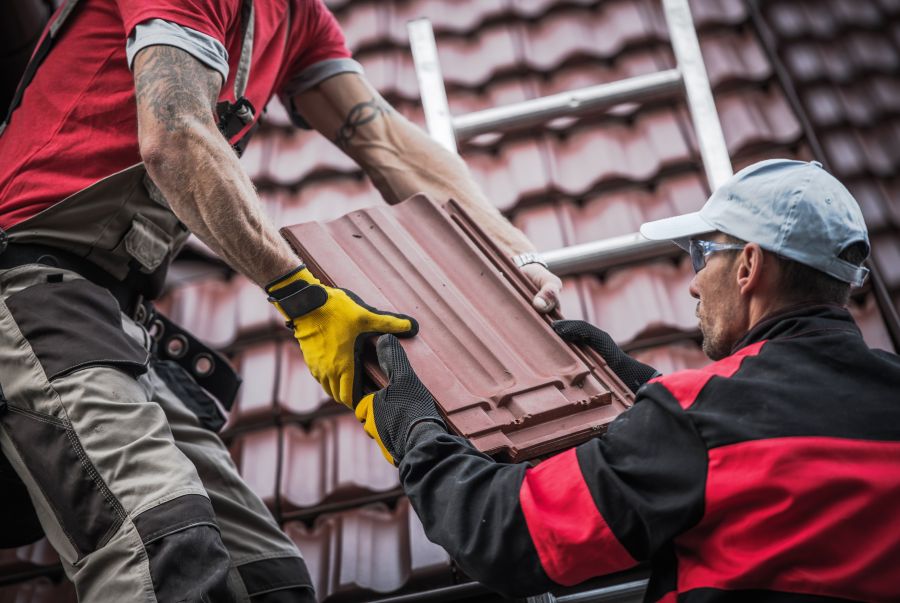
How long does a roof replacement take on an average home? Most single-family homes (1,500–2,500 sq ft of roof area) are completed in one to two days by an experienced crew. Weather holds and decking repairs can extend that to three days. You won’t be living in a construction zone for a week — it’s a fast project.
What’s the difference between a 30-year and a 50-year shingle warranty? Mostly marketing. The “50-year” designation typically refers to a limited lifetime warranty on the material itself — it doesn’t mean the shingle will look good for 50 years. Actual performance life depends on ventilation, attic insulation, climate, and installation quality far more than warranty class. A 30-year architectural shingle installed correctly outperforms a 50-year shingle on a poorly ventilated roof every time.
Can I put new shingles over my existing roof to save money? Most building codes allow one re-roof layer over existing shingles, and it does reduce labor costs by 10–15%. But it hides existing deck damage, adds weight that can stress the structure, and typically voids manufacturer warranties. If curb appeal and resale value are the goal, a full tear-off and replacement is almost always the right call.
Does roof color affect my home’s energy efficiency? Yes, meaningfully. Darker shingles absorb more solar heat, which matters more in hot Southern climates than in the Midwest or Northeast. If you’re in Texas, Arizona, or Florida, asking your contractor about ENERGY STAR-rated “cool roof” shingles in lighter tones is worth the conversation — some utility providers offer rebates for them.
How do I vet a roofing contractor before signing anything? Look for manufacturers’ certification programs — GAF Master Elite and Owens Corning Preferred Contractor designations require contractors to maintain insurance, training, and customer satisfaction records. They’re not a guarantee, but they filter out the fly-by-night operations. Always ask for a physical address (not just a P.O. box), check their Google and BBB reviews specifically for complaints about disappearing after the job, and get the warranty paperwork in writing before work begins.
One Last Thing Before You Call a Contractor
Walk your neighborhood on a sunny afternoon and look at the roofs. Notice which houses read as sharp and well-maintained from a distance and which ones fade into visual noise. Nine times out of ten the difference comes down to the roof. It’s the one element that requires no daily maintenance, holds for decades, and does its curb appeal work quietly every single morning when the sun hits the street.
Karen’s house, by the way, sold last spring — eight months after that roof replacement. She got $27,000 over her original ask. She’s convinced it started with the shingles.
A note from the author: I don’t have a roofing company and I’m not affiliated with any manufacturer. This article reflects research, contractor conversations, and the occasionally painful lessons of homeowners I know personally. When in doubt, get three bids, ask to see completed local jobs, and trust your gut about who answers the phone when something goes wrong.