Home improvement projects frequently begin with a sense of hope. A better layout, more light, and increased functioning all seem achievable at first. Problems typically arise not because something was created poorly, but because important decisions were made too early, when the area was still mostly imagined.
Many homeowners only notice this after building has begun. Even minor changes become difficult, costly, and aggravating at that point. This is why proper planning before construction begins is significantly more important than most people realize.
Why Problems Often Begin Before Construction
The majority of renovation concerns do not involve major blunders. They are minor discrepancies between anticipation and reality that compound with time.
A room officially fulfills the measurements, yet it seems tighter than expected. Furniture fits but disrupts natural movement. Lighting works on paper, but it becomes uncomfortable once the area is completed. These situations occur frequently because judgments were made in isolation, without fully appreciating how all parts will interact.
The difficulty is not a lack of imagination or effort. It’s a lack of context.
Limits of Floor Plans and Inspiration Images
Floor plans are important, but they are abstract. They provide measurements and arrangement logic, but they do not describe how a space will feel as people move through it. Mood boards convey atmosphere and style, but they rarely consider proportion, circulation, or light behavior.
When planning is based solely on drawings and reference images, homeowners are compelled to envisage outcomes that are impossible to precisely forecast. The majority of renovation regrets stem from the mismatch between plans and lived experience.
Treating the home as a connected system
A home does not function as a collection of individual rooms. Light moves between areas. Movement patterns overlap. Changes in one area can have unintended consequences for others.
Moving a wall might affect daylight distribution. Ceiling height changes can have an impact on acoustics as well as illumination. Even furniture arrangement can affect how expansive or restricted a space seems. Effective planning takes these relationships into account early on, before they become difficult to address.
Seeing decisions before they become permanent
One of the most effective strategies to eliminate uncertainty is to make preliminary judgments before building begins. This does not substitute professional measurements or site inspections, but it does provide an important level of clarity.
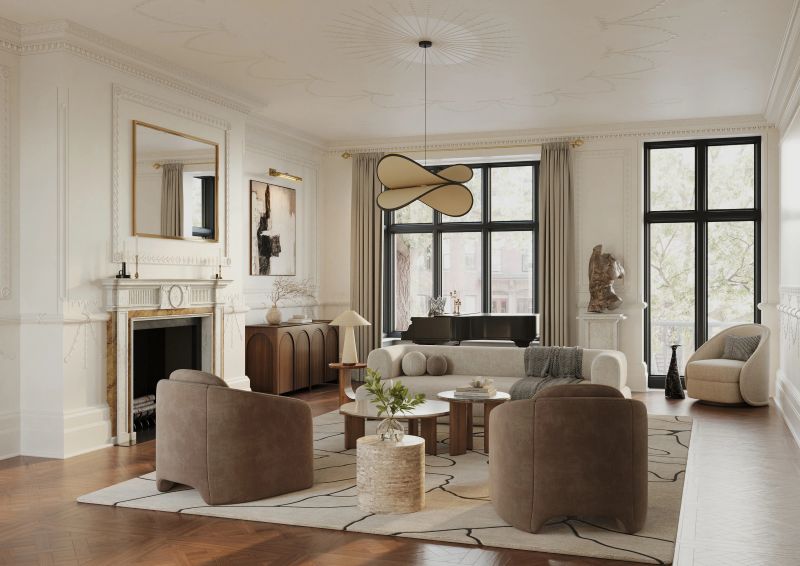
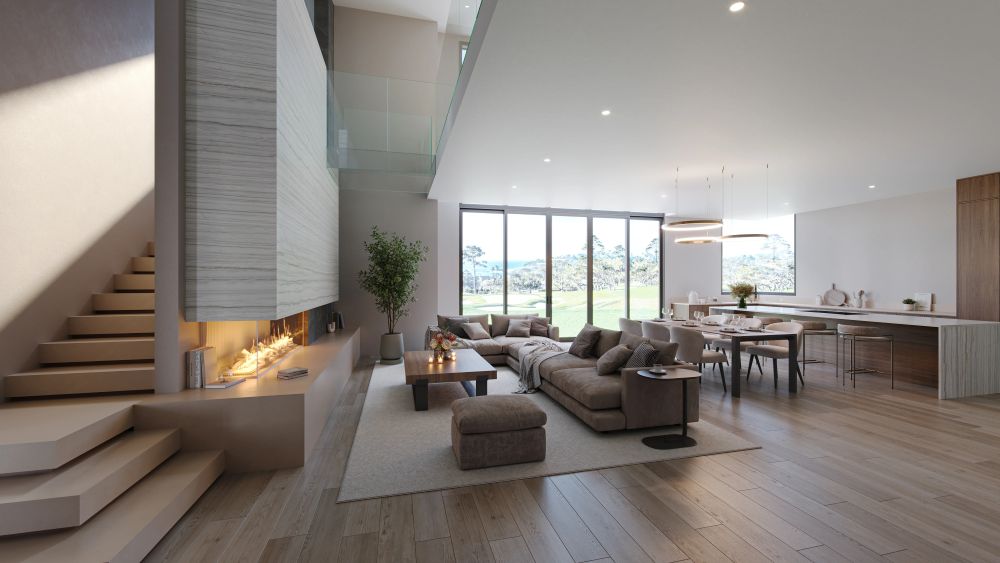
Many homeowners and planners now rely on architectural visualization to understand how layouts, materials, lighting, and proportions work together in a realistic space. Instead of relying exclusively on imagination, options can be reviewed visually, while changes are still simple to implement.
The value here is not based on visual impact. It is understanding.
Planning Layout and Flow Based on Real Use
More than most ornamental choices, layout selections affect daily life. How people get into a room, where they naturally stop, and how rooms link to each other all affect how comfortable and useful they are.
Problems that are hard to see on paper become easy to see when you look at the layout. The routes for circulation may feel smaller than you thought. Furniture zones could get in the way of pathways. It might not be obvious how to move between rooms.
Taking care of these problems early on makes spaces feel natural to use instead of well organized but uncomfortable.
Planning lighting is easier than fixing it
One of the most typical things people wish they hadn’t done during a makeover is make mistakes with the lighting. During the day, a space may look balanced, but at night it may feel flat or too harsh. Depending on the finish of the surfaces, the height of the ceiling, and the size of the room, artificial light acts differently.
When lighting is taken into account throughout the planning stage, it is simpler to find a balance between natural and artificial sources, avoid gloomy areas, and make lighting that works for different activities during the day. This method cuts down on the number of expensive fixes that need to be made after construction.
Context helps with furniture choices
Furniture typically looks good on its own, whether it’s in a store or online. When components are put into the real space, problems happen. People often don’t get the right amount of space around tables, sofas, and storage, which makes rooms too full or awkward.
Seeing furniture in its setting helps you understand its true size and shape. It also helps you figure out what needs to be replaced, what can be reused, and what only needs to be moved around.
Planning clearly makes it easier to work together
Everyone participating in a renovation benefits from good planning. When contractors and designers have the same objectives from the start, they can work more quickly. Clear visual references help people understand each other better and cut down on the number of changes that need to be made during construction.
Instead of dealing with problems as they come up, teams can focus on getting things done, timetables are easier to forecast, and the whole process is less stressful.
It’s cheaper to stop mistakes than to fix them
One big mistake doesn’t usually ruin a renovation budget. They fail because of a lot of little changes that were made too late. Repainting walls, changing the lighting, moving things around, or getting new furniture all add up rapidly.
Finding possible problems early on makes it possible to make modifications that are still easy and cheap. This way of preventing things saves money, time, and energy.
When Planning Ahead Is Most Important
Better planning can help with any renovation, but it’s especially important for open-plan layouts, homes with little space, structural alterations, or projects with more than one functional zone. In many cases, being clear early on makes a big difference in the end result.
Last Thoughts
Most of the time, improvisation doesn’t lead to successful restorations. They come from making smart choices before building starts.
Homeowners lower their risk and feel more sure of their choices by learning how space, light, and movement work together and looking at their options before making a decision. The end effect is a home that looks nicer and feels balanced, comfy, and well-planned.
Planning well doesn’t stop you from being creative. It backs it up, making the finished space feel planned rather than random.