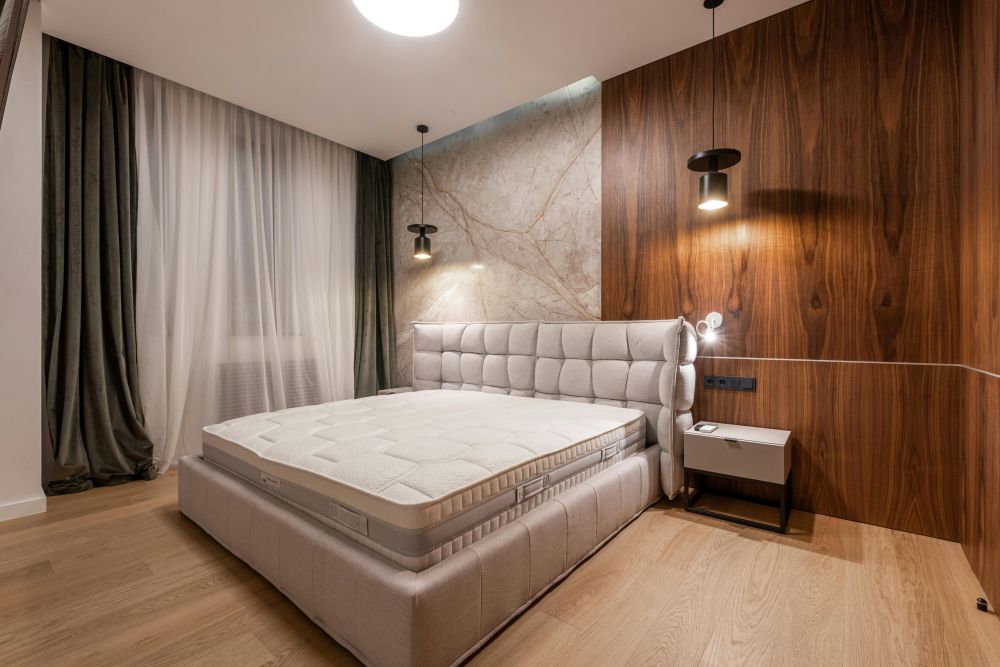
Bedroom design is changing as architects and designers pay more attention to individuals. Modern design doesn’t limit how bedrooms can be decorated. It emphasizes living, resting, and improving. This new way of thinking stems from learning more about how bedrooms affect long-term mental and physical health.
The bed is now a safe place to sleep. Designers may be able to find the appropriate balance between comfort, size, and usefulness for many individuals with options like a Nest Bedding queen mattress. A bedroom meets people’s needs when the bed supports their bodies and fits in with the rest of the room.
Making Patterns Based on How You Feel
Understanding daily activities is crucial for designing a bedroom that caters to their needs. Designers can notice how individuals shift between working and relaxing at night when they arrive in a place. Changes to layouts make things easier, so flow patterns are natural and fluid. Being conscious of how you move might help you relax without drawing attention to yourself. Balance is important, but so is how effectively the furniture operates. It should be easy to contemplate and feel normal to have beds, places to store things, and places to sit. A tidy bedroom is relaxing.
Being Comfortable Is Very Important
People-centered design prioritizes comfort. For sleep, bedrooms should be cool, quiet, and aligned. People choose materials by appearance and feel. Airflow, soft surfaces, and supportive sleepwear help the body relax. Putting physical comfort first helps mental comfort, making the bedroom a place to recuperate, not a place to get excited.
Getting Acclimated to New Ways of Living
Modern bedrooms must adapt. People who work from home have more spare time and spend more time at home. They spend more time in their bedrooms. People-centered design creates comfortable, functional spaces. Designers want to keep the bedroom’s fundamental purpose—to sleep—but give it some individuality. This balance keeps the space healing even if you change routines.
Peace of Mind and Sight
In homes that prioritize people, vision plays a crucial role. To relax, get rid of some of the decorations, contrasts, and mess. Designers like to use the same colors, materials, and tiny details. This image helps the brain relax after prolonged stimulation. A neat and tidy bedroom improves my mood and helps me fall asleep and wake up.
Emotional and Private Safety
Design focused on people’s need for privacy. It helps bedrooms feel distinct from busy, bright, or boisterous spaces. How soundproofing works, where you put your doors and windows, and how sound affects safety. It’s good for people’s mental health to let them entirely disengage. Your bedroom is a safe place where you may unwind.
The Future of Bedroom Design
As human-centered design becomes increasingly popular in building, bedrooms will be more useful than beautiful. The success of a place will not depend on short-term trends, but on how well it benefits its citizens over time. Modern bedrooms are appealing because they cater to people’s desires. They promote rest, endurance, and balance in daily life, which suggests that the best design is founded on understanding, comfort, and preparation.