Selecting roofing materials for Utah homes requires understanding the unique environmental challenges this region presents. From extreme temperature fluctuations to heavy snow loads and intense UV exposure, choosing the best roofing materials for Utah climate demands careful consideration of durability, performance, and long-term value.
Understanding Utah’s Unique Climate Challenges
Utah’s climate creates a demanding environment for roofing systems. The state experiences dramatic freeze-thaw cycles throughout winter and spring, where temperatures fluctuate above and below freezing multiple times. This constant expansion and contraction stresses roofing materials and can lead to premature failure if the wrong products are selected.
At higher elevations, UV radiation intensity increases significantly, accelerating the degradation of many roofing materials. Combined with low humidity and intense summer heat, this creates conditions that can shorten roof lifespan considerably if materials aren’t specifically rated for these conditions.
Winter brings substantial snow accumulation across most of Utah, requiring roofing systems with adequate structural support and materials that perform well under sustained cold conditions. The combination of snow load, ice damming potential, and temperature extremes makes material selection critical.
Asphalt Shingles: The Utah Standard
Asphalt shingles remain the most popular roofing choice in Utah for good reason. Modern architectural shingles offer excellent performance in Utah’s climate when properly installed. Look for shingles with high wind ratings, impact resistance, and UV protection specifically designed for extreme weather conditions.
Quality architectural shingles provide good insulation properties, helping manage energy costs during Utah’s hot summers and cold winters. They also offer diverse aesthetic options to complement various home styles found throughout Utah communities.
Metal Roofing: Premium Performance
Metal roofing has gained popularity in Utah due to its exceptional performance in challenging climate conditions. Metal roofs excel at shedding snow, preventing ice dam formation, and withstanding extreme temperature swings without degrading.
The reflective properties of metal roofing help reduce cooling costs during intense summer months, while their durability means they often last 40-50 years or more. Metal roofs also resist UV damage far better than many alternatives, making them ideal for Utah’s high-elevation conditions.
Tile Roofing: Durability and Style
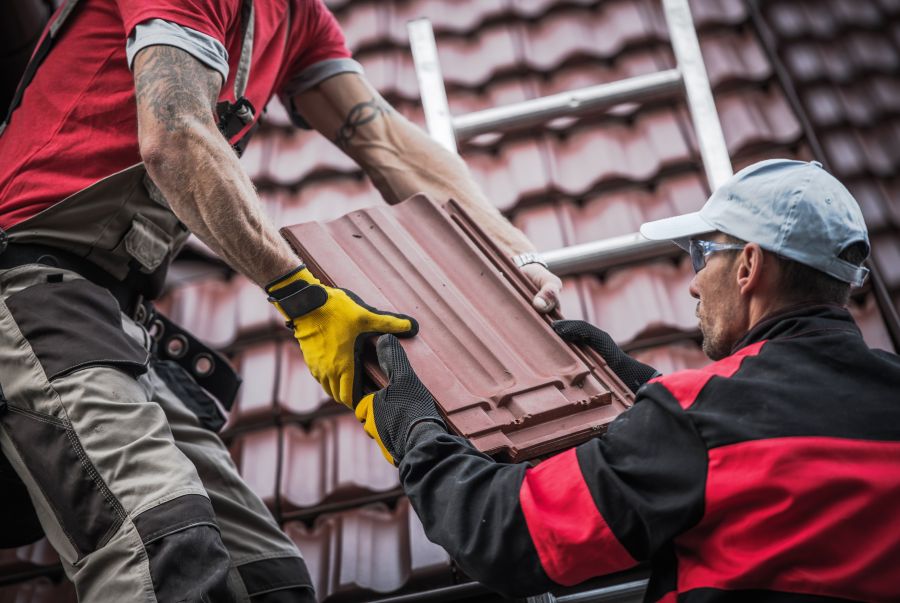
Concrete and clay tiles offer outstanding longevity in Utah’s climate. Their mass provides excellent insulation, and they resist freeze-thaw damage when properly installed with appropriate underlayment systems. Tile roofs are particularly well-suited to Utah’s dry climate, as moisture-related issues are less problematic than in humid regions.
However, tile systems require adequate structural support for their weight and professional installation to ensure proper performance during snow load events. The initial investment is higher, but tile roofs can last 50 years or more when installed correctly.
Climate-Specific Installation Considerations
Regardless of material choice, proper installation techniques for Utah’s climate are essential. This includes enhanced ice and water shield protection in vulnerable areas, proper ventilation systems to manage temperature extremes, and fastening methods rated for high winds common in Utah valleys and mountain areas.
With over 30 years of experience, Encore Roofing & Exteriors has installed thousands of roofs across Utah’s diverse climate zones. Having served 4,896+ clients throughout Salt Lake, Utah, Davis, Weber, Wasatch, and Summit counties, we understand how different materials perform in specific Utah microclimates.
Matching Materials to Your Location
Utah’s varied geography means climate conditions differ significantly from the Wasatch Front to mountain communities. Higher elevations experience more intense UV exposure and greater snow loads. Valley areas face dramatic temperature swings and occasional high winds. Selecting roofing options Utah climate appropriate for your specific location ensures optimal performance.
Long-Term Value Considerations
While initial costs vary among roofing materials, evaluating long-term value is crucial. Premium materials may cost more upfront but often provide superior performance in Utah’s demanding conditions, requiring fewer repairs and lasting significantly longer than budget alternatives.
Consider factors beyond just material cost: energy efficiency impacts, maintenance requirements, expected lifespan, and warranty coverage all contribute to overall value. A roof that performs well through multiple Utah winters and summers ultimately provides better return on investment.
Working with Utah Climate Experts
Selecting appropriate roofing materials for Utah’s climate benefits from working with contractors who have extensive local experience. Understanding how different products perform through real Utah weather conditions—rather than just relying on manufacturer specifications—ensures better material recommendations.
Encore Roofing & Exteriors’ three decades of Utah-specific experience means we’ve seen firsthand how various materials and installation methods perform through countless freeze-thaw cycles, snowstorms, and summer heat waves. This practical knowledge helps homeowners make informed decisions tailored to their specific situation and location.
Choosing the right roofing material for Utah’s climate requires balancing upfront costs, long-term performance, aesthetic preferences, and location-specific conditions. By understanding the unique challenges Utah weather presents and working with experienced local professionals, homeowners can select roofing systems that protect their homes effectively for decades.