Owning a lawn in Britain sometimes feels like entering into a long-term feud with nature. You mow it, water it, feed it, and somehow it still develops bald patches, yellow spots, and enough moss to start its own ecosystem.
Between our legendary damp winters and that stubborn clay-heavy soil, it takes more than just good intentions to keep your lawn healthy.
So, if you’re wondering why your grass looks a bit worse for wear, here are the five most common problems you’ll face and how you can fix them.
Moss Growth
You aren’t alone if you’re constantly battling moss; it’s practically the national pastime for British gardeners.
Moss thrives in the conditions the UK excels at providing: shade, poor drainage, and that persistent dampness that arrives in October and refuses to leave until May.
You might be tempted to just scratch it out, toss down some moss killer, and claim victory. But that’s a bit like putting a bucket under a leak without fixing your roof. If you don’t tackle the root cause, the moss will be back before you’ve even put the rake away.
For a real fix, you need to help the ground breathe. Grab a garden fork or a hollow-tine aerator in the autumn and poke some holes to loosen up that compacted soil so water can move through it instead of sitting on top.
While you’re at it, take a look at any overhanging branches. Thinning them out will let in more light and limit the moisture that moss feasts on.
You can also try scarifying, which involves raking out the dead thatch layer. Just make sure you do it in spring or autumn so you don’t stress your grass out during a summer heatwave.
Weeds
Dandelions, daisies, and clover are top-tier opportunists, and they’re always watching for a gap in your defences.
But here’s the thing: weeds aren’t the reason your lawn is struggling; they’re just a symptom of a deeper problem. They show up when your grass is thin, the soil is packed too tightly, or the nutrients have bottomed out.
If you want to be precise, you can spot-treat individual weeds with a selective killer. But if you’re going after something like a dandelion, you need to get that entire taproot out. If you leave even a little bit behind, it’ll just come back with a vengeance.
It’s worth heading to B&Q or Homebase to pick up a long-handled weeder; your back will thank you, and it’ll make the whole process feel much less like a chore.
Once you’ve removed the weeds, don’t leave the soil bare. Toss down some fresh seed to close the gap before another wave takes root.
Patchy Grass
So, the moss and weeds are gone, but your lawn now looks like it’s been through a rough breakup. At this point, you’re probably dealing with bare patches, yellowing strips, and growth that’s anything but even.
And if you’ve got kids or a dog, that muddy, worn-down trail running from the back door to your yard is basically unavoidable.
As frustrating as this can be, it usually comes down to three causes: heavy foot traffic, puddles in low spots, or a simple lack of nutrients.
To fix those bald spots, you can lightly scratch the surface, loosen the soil, and scatter a quality seed mix. Just keep the area well-watered for the first couple of weeks to give the new grass a much better chance of establishing.
Still noticing some pale or slightly yellow spots? These are usually a sign that your lawn is hungry for nitrogen or iron. In most cases, a standard lawn feed is enough to bring it back to life without turning your weekend into a full-time gardening project.
Lawn Diseases
Most of us know a weed when we see one, but lawn diseases are much harder to pin down. You might see pinkish-red patches, orange dust, or even strange white webbing.
In the UK, we mostly deal with red thread, fusarium patch, and snow mould, all of which love winter’s cold, wet conditions.
While red thread can look alarming with its pinkish tinges, it’s rarely a death sentence for your grass. Fusarium patch is the one you need to watch out for, as those yellow or orange circles can actually kill the grass underneath.
More often than not, poor drainage and thick thatch make both these issues worse. So, you can help prevent them by aerating and scarifying to keep the air moving.
Also, try to avoid heavy nitrogen feeding late in the year; you don’t want to force a lot of lush, soft growth right before the winter frost hits.
Scalping
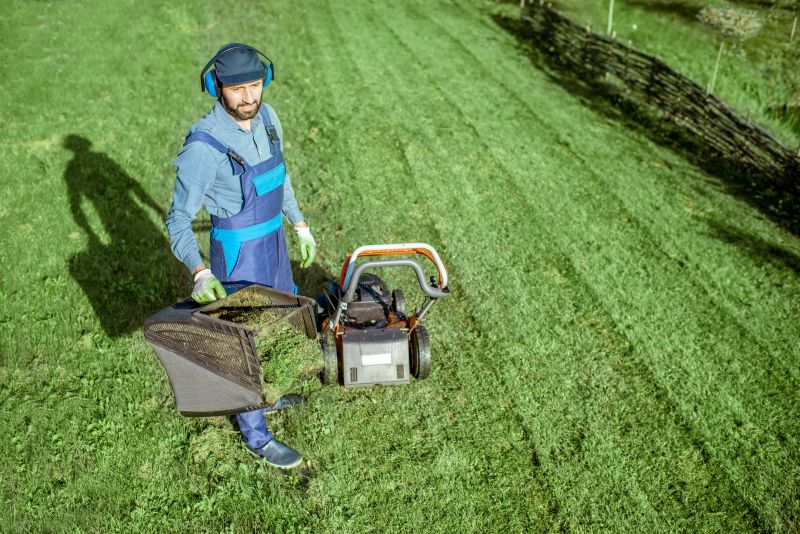
You’ve put in all the hard work, and your lawn is looking decent. But then, you set the mower blades too low and accidentally turn your garden into a golf bunker. It’s a classic mistake we’re all guilty of making at least once.
When you scalp your lawn, you cut off the actual growing point of the grass, which leaves it brown, stressed, and completely defenceless against the summer heat. Worse yet, it can take your lawn weeks to recover from one bad afternoon with the mower.
As a rule of thumb, you should never cut off more than a third of the grass blade at once. For most of us in the UK, that means keeping your grass at about 3–4 cm.
And if it’s been particularly dry or if you’re dealing with a shaded area, lawn mowing experts recommend going even higher.
It’s always better to mow a little and often instead of waiting two weeks and attacking your grass in a panic.
Conclusion
While you might never achieve a bowling green finish, these small changes will stop your garden from looking like a scene from a post-apocalyptic film.
So, grab your fork, keep your mower blades high, and remember that even a few stubborn daisies can’t hide the hard work you’ve put in. You’ve got this, and soon, you’ll be able to enjoy a cold drink on your grass without worrying about what’s lurking in the thatch.