Your roof protects you, your family, and your belongings from the elements, while also contributing to your home’s overall energy efficiency and curb appeal. However, like any critical part of a house, it can experience wear and tear over time. When problems arise, homeowners often face a tough decision: should I repair my roof, or is it time for a full replacement?
Understanding the factors that go into this decision is essential for protecting your home and making a financially sound choice. Here’s an expert guide to help homeowners evaluate whether roof repair or replacement is the best option.
Signs You May Need Roof Repair
Not every roofing problem requires a full replacement. Sometimes, timely repairs can restore your roof’s functionality and extend its lifespan significantly. Here are some common signs that roof repair may be the right solution:
- Minor Leaks and Water Damage – Small leaks or localized water damage are often repairable. These issues typically affect only a specific area of the roof, making a targeted repair both cost-effective and efficient.
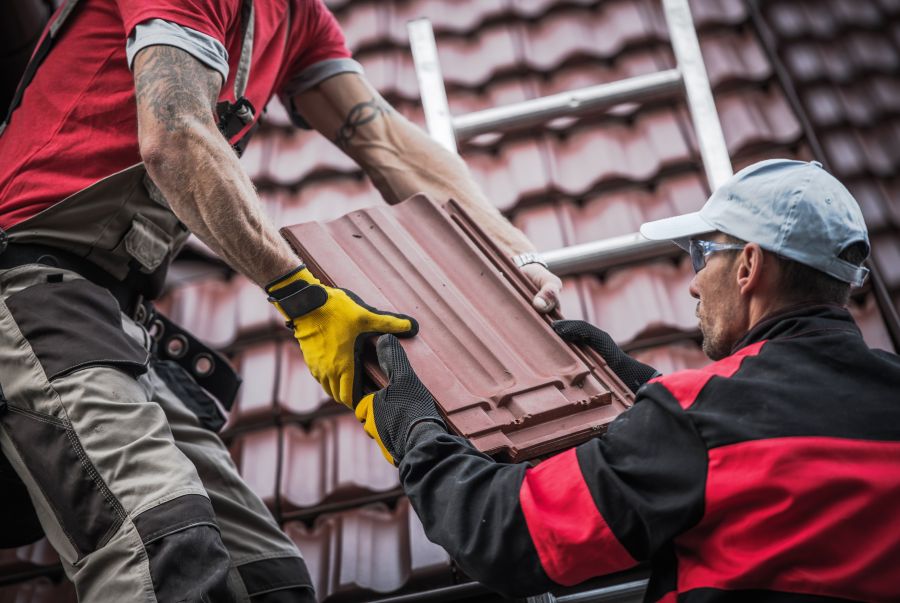
- Missing or Damaged Shingles – Shingles protect your roof from wind, rain, and sun damage. If a few shingles are missing, cracked, or curling, a roofer can replace them without needing a full roof replacement.
- Storm or Hail Damage – Weather events can damage roofs in localized areas. A professional roofer can assess the extent of the damage and recommend repairs that prevent further issues.
- Small Roof Patches – If your roof has patches that need attention due to aging or wear, repair is often the best first step. Regular patching can prolong the life of the roof for several more years.
When Roof Replacement Is Necessary
Sometimes, repairing a roof is only a temporary solution, and replacement is the most practical long-term choice. Consider the following scenarios:
- Age of the Roof – Most roofing materials have a typical lifespan. Asphalt shingles generally last 20-25 years, while metal or tile roofs may last longer. If your roof is near the end of its expected lifespan, replacement may be more cost-effective than repeated repairs.
- Widespread Damage – If multiple areas of your roof are damaged or leaking, repair costs can quickly add up. In such cases, a full roof replacement ensures uniform protection and eliminates ongoing repair expenses.
- Structural Issues – If water damage has affected the underlying structure, such as the decking or support beams, repairs alone may not suffice. A complete replacement ensures the integrity and safety of your roof.
- Energy Efficiency Concerns – Older roofs may lack modern insulation or reflective materials, leading to higher energy bills. A roof replacement offers an opportunity to upgrade materials, improve energy efficiency, and reduce long-term costs.
Factors to Consider When Making the Decision
Choosing between roof repair and replacement involves more than assessing visible damage. Here are key factors homeowners should evaluate:
- Cost vs. Longevity – While repairs are often cheaper upfront, multiple repairs can add up. A replacement may have a higher initial cost but provide a longer-term solution.
- Warranty and Insurance – Check whether your current roof warranty covers repairs or if insurance policies can help with storm damage. This can influence your decision.
- Aesthetic and Property Value – A new roof can enhance curb appeal and increase property value, which may be a factor if you plan to sell your home.
- Roofing Materials – The type of roofing material can impact the decision. For example, asphalt shingles may be easier and cheaper to repair, while specialty materials like slate or metal often require full replacements for major issues.
The Importance of Professional Guidance
Roof repair and replacement decisions are best made with the help of experienced roofing professionals. A qualified residential roofing contractor can conduct a thorough inspection, identify hidden issues, and provide a detailed recommendation based on your roof’s condition, your budget, and your long-term goals.
Professional guidance ensures:
- Accurate assessment of the roof’s current state
- Transparent cost estimates for repair versus replacement
- Expert advice on materials, warranties, and maintenance
- Safe and efficient work performed according to industry standards
By consulting with experts, you can avoid costly mistakes and make an informed choice that protects your home and family.
Maintenance Tips to Extend Roof Lifespan
Regardless of whether you choose repair or replacement, proper maintenance is key to maximizing your roof’s life. Some tips include:
- Regular inspections, especially after storms
- Cleaning gutters and removing debris from the roof surface
- Trimming overhanging tree branches to prevent damage
- Promptly addressing small leaks or damaged shingles
Proactive maintenance can delay the need for replacement and prevent minor issues from turning into major problems.
Conclusion
Repairs are ideal for localized, minor issues, while replacement is often the best option for aging roofs, widespread damage, or structural concerns. By understanding the signs, evaluating the costs and benefits, and consulting with a professional roofing contractor, homeowners can make an informed decision that ensures lasting protection and peace of mind.
Whether you need a quick fix or a complete roof overhaul, expert guidance is essential for securing a roof that will protect your home for years to come.