There’s a moment every seller dreads. You’ve moved your furniture out, the rooms echo when you walk through them, and you think — did I just make a huge mistake?
Or maybe you’re on the opposite end. Still living in the house while it’s listed, cooking dinner before showings, tucking the dog away, hiding the Legos. Wondering if buyers can see past your life to imagine their own.
The empty house vs lived-in house question doesn’t have a clean, universal answer. But it does have a smarter answer — and that’s what we’re getting into today.
What Buyers Actually Experience in an Empty House
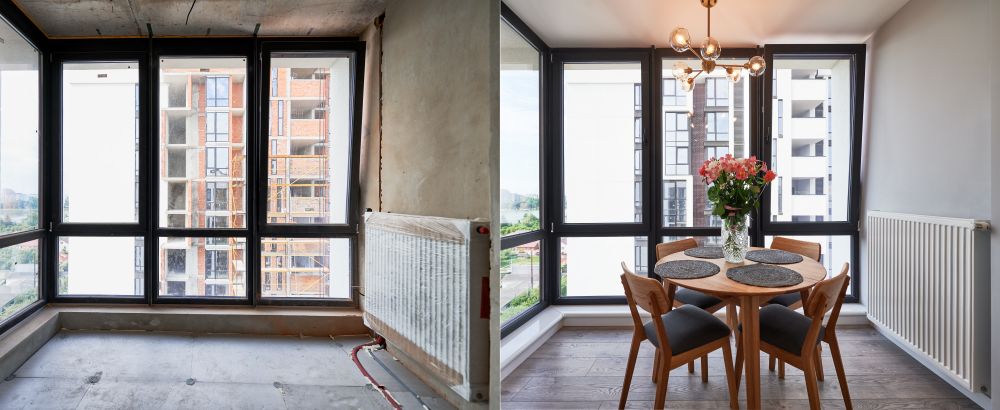
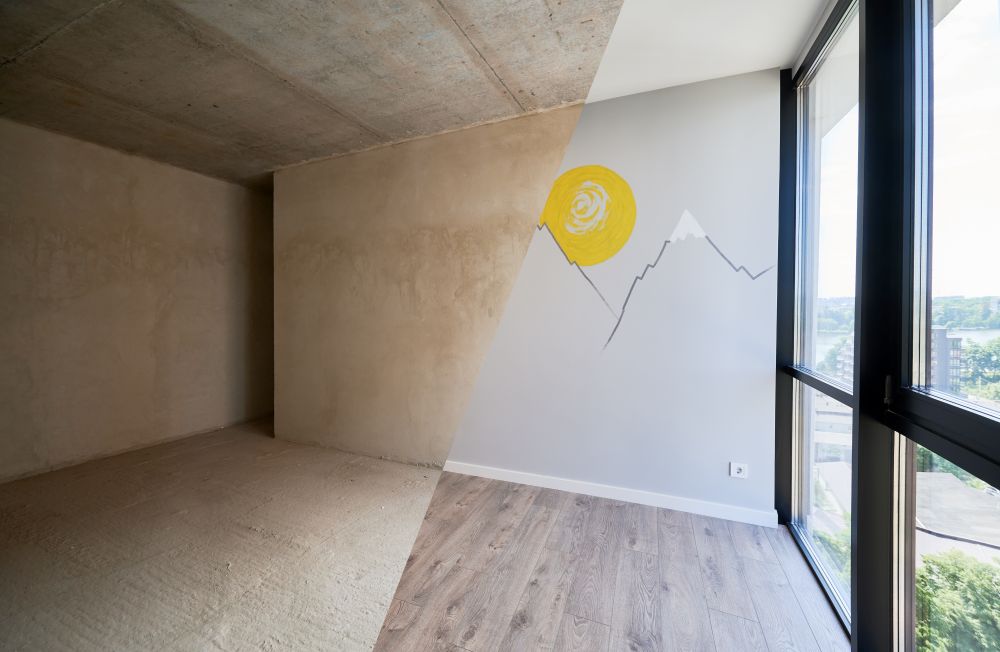
An empty house sounds ideal on paper. No clutter, no personal taste to offend anyone, pure potential. The problem? Most buyers aren’t wired to translate empty space into possibility — they need visual cues.
Research from the National Association of Realtors found that 82% of buyers’ agents said staging made it easier for buyers to visualize the property as their future home. That stat carries weight.
When rooms are bare, buyers unconsciously focus on flaws — a scuff on the baseboards, an awkward room shape, the size of a closet. Without furniture to anchor a room, scale goes haywire too. A perfectly decent 12×14 bedroom can feel like a shoebox. An open-plan living area can feel disjointed rather than spacious.
A real estate agent in Austin, Texas, shared this with me: “I had a client who insisted on leaving their home empty. It sat for 61 days. We brought in a staging company, spent about $2,200, and it went under contract in nine days. Same price point, same neighborhood.”
The Lived-In House — Messy, But Honest
Here’s the thing nobody says out loud: a lived-in house has something an empty house can never fake — warmth.
When there’s a reading nook with actual books in it, when the kitchen smells faintly like last night’s roasted garlic, when the backyard has a fire pit with chairs arranged around it — buyers feel life happening there. And that feeling is incredibly persuasive.
The challenge is calibration. There’s a meaningful difference between “lived-in” and “overwhelming.” Family photos on every wall, mismatched furniture from three different decades, and countertops buried under mail — those things create noise that buyers have to mentally edit out. That’s cognitive work, and it slows down emotional connection.
The sweet spot is a lived-in house that’s been curated. Not staged to sterility, but edited with intention.
My neighbor Lisa went through this last spring in suburban Ohio. She was still living in her 4-bedroom colonial while selling. Her agent advised her to remove 40% of her furniture, store her kids’ artwork, and add fresh white towels to every bathroom. “It still felt like us,” Lisa told me, “but cleaner. More like a home and less like a storage unit.” Her house sold in 12 days, $8,000 over asking.
The Cost Question — Because It Always Comes Up
Full vacant home staging typically runs $1,500 to $4,000 for the first month in most U.S. markets, with monthly rental fees for furniture after that. Virtual staging — digitally furnishing photos — costs as little as $75 to $200 per room and works well for online listings, though it can disappoint buyers at in-person showings.
If you’re still living in the house, your staging costs are mostly labor — decluttering, deep cleaning, possibly renting a storage unit ($100–$200/month) to hold excess furniture.
Neither option is inherently expensive. But skipping both is the real cost.
FAQs: Empty House vs Lived-In House
Q: Does an empty house always sell for less? Not always, but it does tend to sit longer. Days on market directly affect perceived value — the longer it sits, the more buyers assume something is wrong.
Q: Is virtual staging worth it? For online visibility, yes. For in-person showings, it can create a disconnect. Use it to boost your listing photos, but don’t rely on it as your only strategy.
Q: Should I leave any furniture behind if I’ve already moved? If you can, leave the pieces that define purpose — a bed frame and nightstands in the primary bedroom, a table and chairs in the dining area. Purpose-defining furniture costs you nothing extra and communicates the room’s function immediately.
Q: Can a lived-in house compete with a fully staged empty home? Absolutely. A well-maintained, thoughtfully edited lived-in home often outperforms staged vacant properties because buyers sense authenticity. The goal is to make your everyday life look like its best version.
Q: What rooms matter most to stage or tidy first? Primary bedroom, kitchen, and living room — in that order. These are the three spaces buyers emotionally invest in most during a showing.
The Bottom Line
The empty house vs lived-in house debate isn’t really about furniture. It’s about what buyers feel the moment they walk through the door. Empty homes risk feeling cold and abstract. Lived-in homes risk feeling chaotic and personal. The sellers who win are the ones who understand this gap — and close it deliberately.
Whether you’re packing boxes or still making dinner before showings, your job is the same: help buyers fall in love with a future they can actually picture.
That’s the whole game.