If you’ve ever stood in a contractor’s office watching them scribble a number on an invoice without explaining where it came from, you’re not alone. One of the most common disputes in construction law involves concrete billing — and it almost always starts with a misunderstanding of the concrete price per yard.
Let’s cut through the fog.
What Does “Per Yard” Actually Mean?
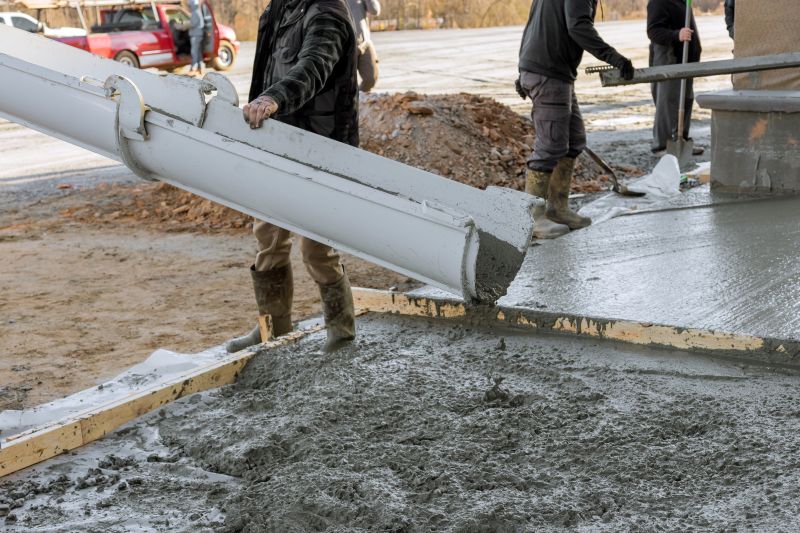
In the U.S. construction industry, concrete is sold by the cubic yard — not the linear yard, not the square yard. One cubic yard equals 27 cubic feet. This distinction matters legally and financially, because vague contract language around “yards” has triggered disputes, mechanic’s liens, and even litigation.
When contractors quote you a concrete price per cubic yard, they’re referring to volume. A standard residential driveway (20×20 feet, 4 inches thick) requires roughly 5 cubic yards of concrete. Get that wrong in a contract, and you’re arguing over thousands of dollars.
Current Concrete Prices Per Yard: What the Numbers Say
As of mid-2026, the average price of concrete per yard in the United States falls between $125 and $185 per cubic yard for standard 3,000 PSI ready-mix. Here’s a more granular breakdown:
| Concrete Type | Price Per Cubic Yard |
|---|---|
| Standard 3,000 PSI | $125 – $150 |
| High-strength 4,000–5,000 PSI | $150 – $175 |
| Fiber-reinforced | $160 – $185 |
| Self-consolidating (SCC) | $175 – $220 |
| Colored/decorative | $200 – $300+ |
The ready mix concrete price per yard can shift based on batch plant location, minimum order sizes (typically 1 cubic yard), and fuel surcharges. In rural areas, delivery fees alone can add $15–$30 per yard to your total.
Why the Concrete Price Per Yard Near Me Differs From National Averages
Regional variation is real — and significant. Here’s what drives it:
- Aggregate availability: States like Texas and Indiana have abundant local limestone, which keeps raw material costs lower.
- Diesel prices: Ready-mix trucks are heavy fuel consumers. When diesel spikes, so does delivery cost.
- Local labor markets: Batch plant wages in California average roughly 40% higher than those in Mississippi.
- Seasonal demand: The concrete price per yard near me in Phoenix, AZ during summer can drop 8–12% compared to peak spring season because demand dips in extreme heat.
A homeowner in Atlanta told us: “I got three quotes for my patio. The range was $138 to $172 per cubic yard for the exact same 4,000 PSI mix. The difference was delivery distance and the batch plant’s minimum order policy.”
That $34 gap on a 10-yard pour equals $340 out of pocket — purely from shopping around.
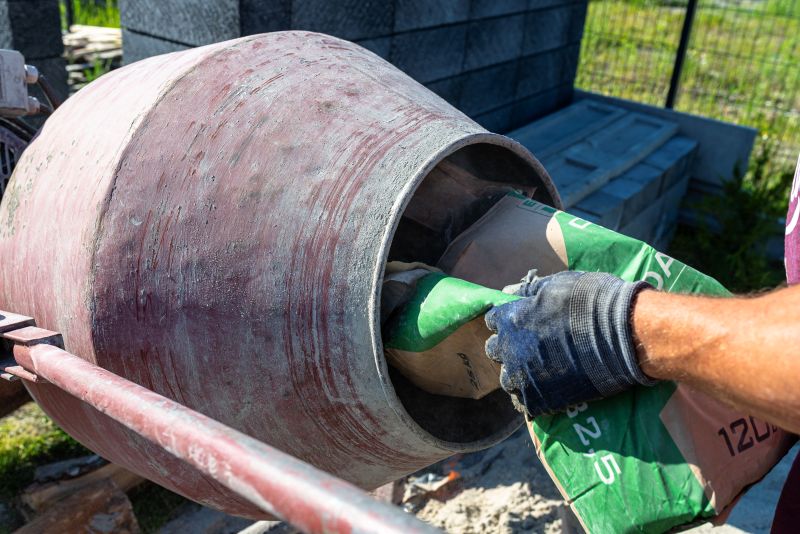
The Legal Side: What Your Concrete Contract Should Specify
This is where construction attorneys often earn their fees. Poorly written contracts routinely omit:
- The PSI specification — “concrete” without a strength rating is legally ambiguous.
- The price of concrete per yard locked at signing vs. subject to supplier price fluctuations.
- Overage terms — what happens if the job requires more cubic yards than estimated?
- Short-load fees — most batch plants charge $50–$150 if you order fewer than 5–7 yards.
- Slump specification — water-to-cement ratio affects strength; a contractor adding water on-site weakens the product.
James R., a construction attorney in Nashville, shared this: “I’ve seen contractors order 3,000 PSI but bill clients for 4,500 PSI pricing. The difference per yard is $20–$30, and on a large pour, that’s a $500 discrepancy that the client never catches because the invoice just says ‘concrete.’”
Insist that your contract itemizes PSI, concrete prices per yard, delivery fee, short-load policy, and who absorbs price increases if there’s a supply delay.
How Ready Mix Concrete Pricing Actually Works at the Batch Plant
Most consumers never see the pricing structure behind ready mix concrete price per yard quotes. Here’s what batch plants actually charge for:
- Base mix cost: Cement, sand, aggregate, water, and admixtures.
- Cement escalator clauses: Cement is a commodity. Prices can shift monthly.
- Environmental fees: Some states (California, Colorado) impose concrete plant emissions surcharges — $2–$5 per yard.
- Saturday/after-hours premium: Weekend pours can add $8–$15 per yard.
- Washout fees: Disposing of unused concrete from the drum typically costs $50–$100 per load.
5 Ways to Lower the Price of Concrete Per Yard on Your Project
- Order during off-peak season (October–February in northern states) when batch plants run below capacity.
- Consolidate your pour — ordering 8 yards once is cheaper per yard than two 4-yard orders.
- Pick up vs. delivery: If you have a mixer rental or access, batch plants sell at pickup prices roughly $15–$20 per yard less.
- Negotiate price locks in writing before a multi-phase project begins.
- Get your own supplier quote before accepting a subcontractor’s markup — general contractors routinely add 10–20% to the price of concrete per cubic yard they pay wholesale.
FAQs: Concrete Price Per Yard
Q: What is the average price of concrete per yard in the U.S. right now? A: As of 2026, the national average runs $125–$185 per cubic yard for standard ready-mix. Decorative or high-strength mixes can reach $300+.
Q: Is the concrete price per cubic yard the same as per yard? A: In the construction industry, “per yard” almost always means per cubic yard. Always confirm this in writing — it affects total project cost significantly.
Q: Why does the concrete price per yard near me vary so much? A: Local aggregate costs, fuel surcharges, plant-to-site distance, and regional labor markets all contribute. Getting three local quotes is standard practice for a reason.
Q: Does the ready mix concrete price per yard include delivery? A: Not always. Some quotes are FOB (freight on board) the plant, meaning delivery is separate. Always ask for an all-in price per yard delivered to your site.
Q: Can I negotiate concrete prices per yard? A: Yes, particularly on large pours (10+ yards) or if you’re a repeat commercial customer. Batch plants value consistent business and will often shave $5–$15 per yard for volume.
Q: How do I protect myself legally if concrete prices increase after I sign a contract? A: Insist on a fixed-price clause that locks the concrete price per yard at contract signing, or a clear escalation cap (e.g., no more than 5% increase) tied to a documented index like the Producer Price Index for concrete products.
Bottom Line
Concrete isn’t a commodity you should price on instinct or trust a single quote for. Whether you’re a homeowner pouring a driveway or a developer breaking ground on a commercial project, the concrete price per yard is a legally significant figure that belongs in your contract — clearly, precisely, and without room for interpretation.
The difference between a well-written concrete clause and a vague one can mean the difference between a smooth project and a construction dispute that costs more than the concrete itself.
Have questions about a concrete billing dispute or construction contract? This article is for informational purposes only and does not constitute legal advice. Consult a licensed construction attorney in your state for guidance specific to your situation.