Workplace safety is not a one-time protocol to check off your list. It requires constant attention to shifting conditions and regulations to keep your team safe and your business compliant. Safety trends change over time, and this year is no exception. Here are five of the main areas of focus to increase workplace safety, both in 2026 and beyond.
1. Smart Tech Integration in Safety Plans
Smart building tech offers numerous benefits in terms of convenience, security, and safety. Automated alerts, sensors, and alarms can help your team detect potential hazards in real-time. From monitoring water leaks to identifying fires, this modern technology makes it easier to locate threats and minimize damage. You can also connect the equipment to one centralized hub, so it’s simple to access and control in an emergency.
It’s also important to ensure these devices are fully integrated into business procedures. For instance, a fire alarm can only offer so much coverage if employees lack the wherewithal to respond. Once you’ve installed the equipment, you need a clear action plan for what to do next in the event those alerts and sensors are activated.
2. Enhanced Cybersecurity Measures
Cybercrime costs the global economy $445 billion each year, and small- to medium-sized companies face just as much of a risk as larger, more visible enterprises. With so much connected equipment in the average business tech stack, robust cybersecurity measures are essential to protect access and features like these:
- Cameras
- HVAC
- Elevators
- Alarms
Once you choose the right firewall to safeguard your network and internal systems, make sure all your team members are well-versed in the best practices to avoid phishing scams, social engineering attacks, and other sophisticated cybercriminal tactics.
3. Optimized Employee Training Initiatives
Workplace safety isn’t just about adopting new tech. Employee training is often the most crucial element of a successful safety plan. These training initiatives should be more than a few simple onboarding tutorials. Business owners and managers should prioritize continual instruction in accordance with shifting workplace hazards, equipment, roles, and mechanisms.
Interactive, scenario-based training exercises can also be highly effective. When team members act out safety procedures—instead of just learning about them in a handbook—they’ll feel more confident in the face of potential emergency situations.
4. Improvement in Emergency Readiness Plans
An emergency readiness plan will get everyone on the same page to take action when the worst case scenario strikes. This plan should contain the following details:
- Evacuation routes
- Assembly areas
- Communication
- Medical response
- Reporting procedures
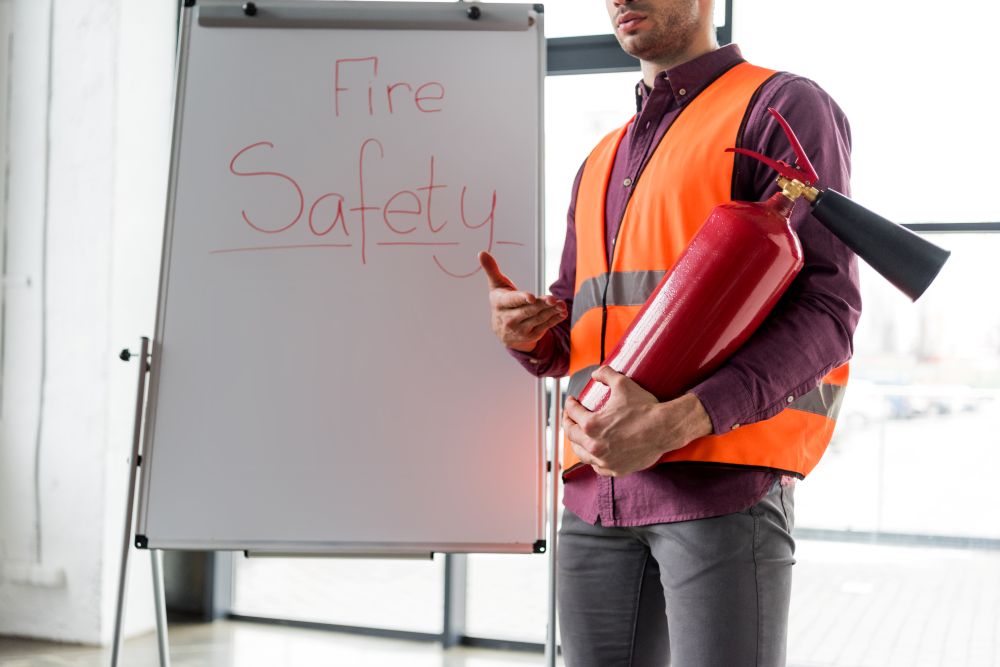
Ensuring all your team members know how to respond to fires is a crucial part of emergency readiness. Without this preparation, it’s easy to panic and forget evacuation routes, make rash decisions, or attempt unsafe firefighting techniques.
Your plan needs to account for more than employees as well. Customers, visitors, and onsite business contractors can also be threatened by emergency situations. Once you’ve created a plan that takes everyone into consideration, implement regular drills, reviews, and audits to make sure it’s both current and effective.
5. Modern Workplace Safety Equipment
Installing modern workplace safety equipment can mitigate serious incidents and minimize their impact. Today, business leaders have access to all sorts of first-aid mechanisms, automated external defibrillators (AEDs), connected sensors, communication tools, and industry-specific devices or machine guards. But installation is only the first step—you’ll need to remain on-track with regular system maintenance and inspections as well
In some cases, these upgrades are more than just an optional benefit. Regulatory codes (such as those from the National Fire Protection Association) can mandate new equipment at any time. So never assume that established protocols and systems from a previous year will align with modern business compliance requirements.
Don’t Let Your Workplace Fall Behind in Safety
You don’t want to risk falling behind and leaving your business open to incidents or liabilities. Workplace safety in 2026 requires implementing the latest trends into your current business model for an environment and culture that keeps everyone secure.