There comes a point where adding another chair or another side table just… doesn’t help anymore. The room still feels like something’s missing. That’s usually because the problem isn’t furniture. It’s everything around it.
A lot of homes have great flooring, decent furniture, even nice paint colours. But they still feel a little flat. Almost like everything is sitting there separately instead of working together. That’s where layering makes a difference. Not expensive layering either. Just paying more attention to textures, lighting, rugs, fabrics, and the little details people don’t always notice right away.
The Floor Already Does Half the Work
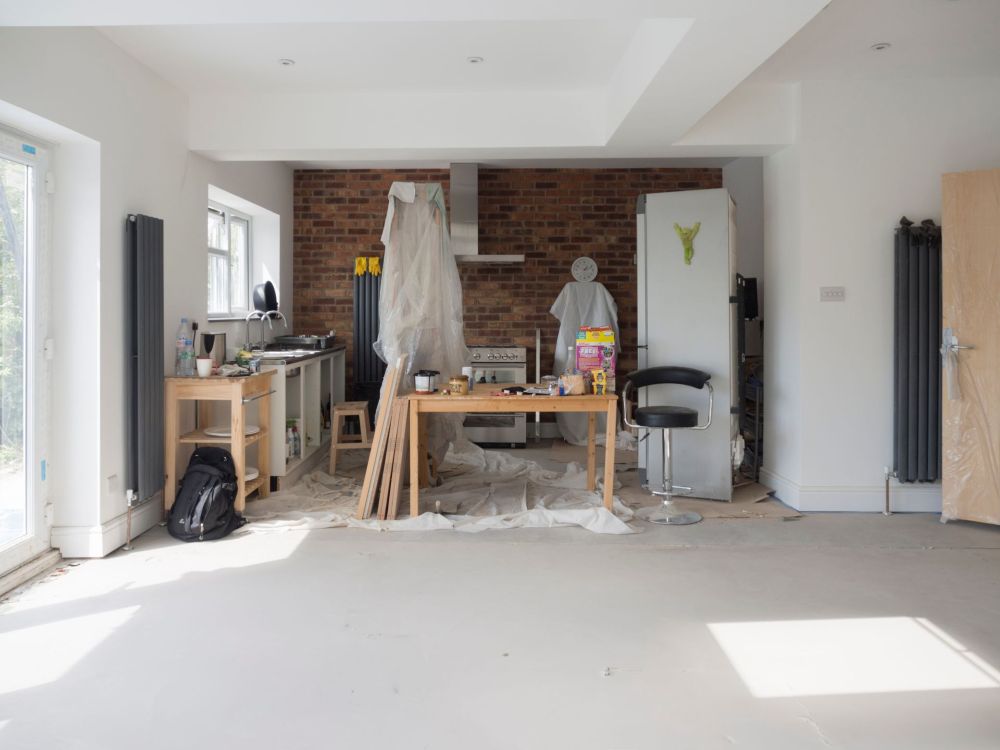
Hardwood looks great. Tile is practical. Epoxy floors are incredibly durable. But none of them, by themselves, make a room feel comfortable. Walk into a room where the entire floor is just hardwood or tile, and it can almost feel… unfinished. Sound bounces around. Everything feels a bit cold. That doesn’t mean covering every inch with rugs. Usually one properly sized area rug is enough to completely change how a space feels. Same floor. Same furniture. Completely different room. Hallways are another good example. A simple runner makes them feel less like somewhere people pass through and more like part of the home.
One Small Thing That Gets Skipped All The Time
Rug pads. Nobody gets excited about buying one. It’s easy to assume things don’t really matter because they’re hidden anyhow. They do, in fact. A good rug pad preserves the hardwood below, improves grip, prevents corners from curling up, and provides just enough cushioning to make moving around a room feel different. Particularly if there are children running around or a dog that strangely uses every corridor as a racecourse.
The National Wood Flooring Association also recommends using rug pads that are suitable for hardwood finishes since certain materials can react with some floor coatings over time. Little detail. Big difference.
Before Buying Anything…
Just stand in the room. Seriously. Look at how people actually move through it.
- Where does everyone walk?
- Where do bags get dropped?
- Which corner gets ignored?
Design plans sometimes forget that homes are lived in. If people have to keep stepping around furniture every single day, the room probably has too much of it. Keeping traffic paths open almost always makes a room feel larger without changing the square footage.
A few things worth checking:
- Can doors open fully?
- Is there enough room to walk around the sofa?
- Does the rug sit flat?
- Are chairs easy to pull out without catching on anything?
Those questions matter a lot more than buying another decorative table.
Texture Is Usually What’s Missing
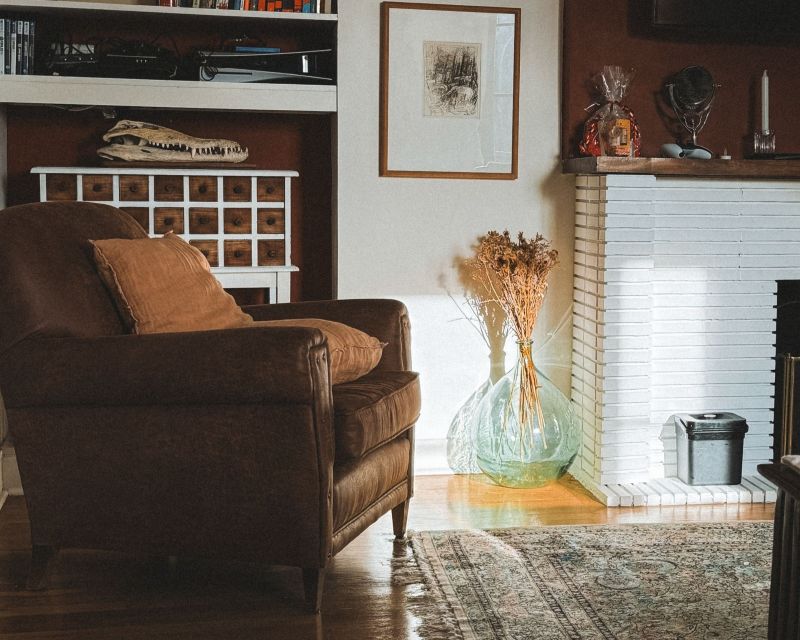
Think about hotel rooms. The good ones rarely have loads of furniture. They have layers. Curtains. Soft bedding. Different fabrics. Lighting that comes from more than one place. Maybe a woven basket in the corner? Wood next to metal. Stone next to fabric. None of those things demands attention on their own. Together though…the room feels finished.
Homes work exactly the same way. Try mixing materials instead of matching everything perfectly. Linen cushions don’t have to match the sofa. Wood doesn’t have to be the exact same shade throughout the room. Plants don’t need identical pots. Sometimes those small differences are exactly what stop a room from feeling like it came straight out of a catalogue.
Rugs Don’t Have to Be the Centrepiece
People often spend ages choosing paint colours…and about five minutes picking a rug. It’s usually the opposite that should happen. A rug covers a big part of the room. It connects furniture together and quietly sets the tone without shouting for attention. When choosing one, think beyond colour.
- How will it wear?
- Will it still look good after a few years?
- Will it actually suit how the room gets used?
For a distinctive look that ages gracefully, consider antique rugs. Their craftsmanship, natural fibres and one-of-a-kind patterns bring personality without making the room feel overdesigned. Sometimes they’re the piece that makes everything else suddenly make sense.
Lighting Counts as Another Layer
This gets overlooked more than it should. One bright ceiling light isn’t really layering. It’s just… bright. A floor lamp beside a reading chair. A small table lamp on a console. Maybe a wall sconce near artwork. Those softer pools of light make a room feel calmer once the sun goes down. Nothing dramatic. Just easier to live with.
The nice thing about layering…is that it changes over time. Throw blankets get swapped. Plants grow. Artwork moves. Rugs get rotated. New cushions appear. The room keeps evolving without needing a full renovation every few years. That makes this approach a lot more practical than constantly buying new furniture because something feels “off.”
A little maintenance helps too.
- Vacuum rugs regularly.
- Rotate them every few months.
- Clean spills sooner rather than later.
- Check the rug pad occasionally.
- Lift furniture when moving it instead of dragging it across the floor.
Simple habits, but they help everything last longer.
Final Thoughts
Rooms don’t usually feel empty because they have too little furniture. More often, they feel empty because they don’t have enough texture. Or warmth. Or contrast. Layering fixes that without making a space feel crowded. It’s one of those design ideas that sounds simple until it’s actually done. Then suddenly the room feels quieter, softer and more comfortable… even though hardly anything was added at all.