Modern commercial architecture often gets attention for glass, steel, lighting, open interiors, sustainable systems, bold façades, and flexible floor plans. These are the parts people see first. They shape the image of an office, retail centre, warehouse, showroom, medical building, mixed-use property, or industrial space.
But behind that visible design, concrete continues to do some of the most important work.
Concrete gives commercial buildings weight, stability, access, structure, and durability. It carries foot traffic, vehicles, equipment, weather exposure, loading activity, drainage demands, and the everyday pressure of business use. A commercial property may look contemporary on the outside, but if its concrete elements are weak, uneven, poorly planned, or deteriorating, the whole property begins to feel less reliable.
That is why concrete still matters. Not as an old-fashioned material, but as one of the quiet foundations of practical modern design.
Commercial spaces need concrete that can take daily pressure. With the right commercial concrete services in Calgary, foundations, parking areas, loading zones, walkways and exterior surfaces can be built to last.
For architects, developers, property owners, and business managers, concrete is not just a construction material. It is part of how a building performs.
Concrete Gives Commercial Buildings Practical Strength
Commercial buildings are used differently from homes. They handle heavier movement, longer operating hours, public access, service vehicles, deliveries, staff parking, customer traffic, equipment loads, and frequent cleaning or maintenance.
The concrete in and around these buildings must be able to take that pressure.
A retail storefront needs a safe entry. A warehouse needs strong loading areas. A medical office needs accessible walkways. A restaurant may need durable exterior pads, waste areas, and service paths. An industrial property may need slabs that can support machinery or repeated vehicle movement.
In each case, concrete becomes part of the building’s daily function. If it is poorly designed or installed, problems appear quickly. Cracks widen. Edges break. Water pools. Surfaces become uneven. Safety risks increase. Maintenance costs rise.
A strong concrete system helps the property operate without constant interruption. That practical reliability is one of the reasons it remains so important in commercial architecture.
It Supports the Architecture Without Demanding Attention
Good commercial design does not always need every material to shout. Some materials are supposed to support the experience quietly.
Concrete can do that well. A clean walkway can guide visitors toward the entrance. A well-formed curb can organize traffic. A level slab can support equipment without drawing attention. A properly finished exterior surface can make the building feel orderly and maintained.
When concrete is done badly, it becomes visible for the wrong reasons. Cracks, stains, spalling, uneven sections, and poor drainage can make even a modern building look neglected. When it is done well, it blends into the design and lets the architecture work.
This is especially true for commercial exteriors. The first impression of a building often begins before a person reaches the door. Parking areas, sidewalks, ramps, steps, patios, service zones, and concrete borders all affect how professional the property feels.
Concrete may not be the most glamorous part of design, but it often decides whether the site feels finished.
Durability Matters in Calgary’s Climate
Commercial concrete has to face local conditions. In Calgary, outdoor surfaces deal with seasonal temperature changes, freeze-thaw cycles, snow, ice, wind, moisture, de-icing materials, and heavy use. These conditions are not gentle on poorly built surfaces.
Freeze-thaw movement can be especially hard on concrete. Water enters small cracks or weak areas, freezes, expands, and slowly makes the damage worse. Add vehicle loads, snow clearing, foot traffic, and drainage issues, and a small problem can become a larger repair concern.
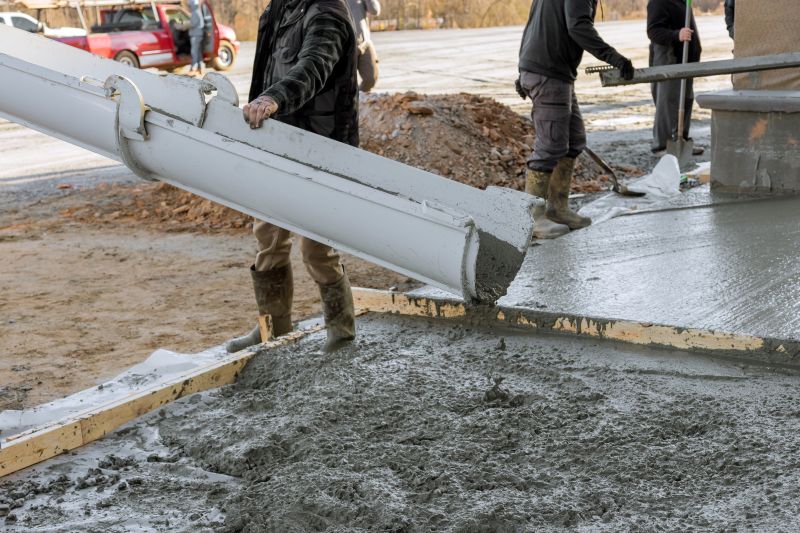
This is why design and installation matter from the start. Long-term concrete performance depends on what happens before and during the pour: a properly prepared base, the right mix, correct thickness, reinforcement, control joints, finishing, slope and drainage.
A commercial property cannot afford surfaces that fail early. Damaged concrete may disrupt customers, staff, deliveries, parking, and accessibility. In many cases, the cost is not only the repair itself, but the inconvenience around it.
Durable concrete protects both the building and the business activity around it.
Concrete Helps Shape Movement Around the Site
Architecture is not only about the building. It is also about how people and vehicles move around it.
Concrete plays a major role in that movement. Walkways, ramps, curbs, parking areas, loading pads, entry zones, exterior stairs, and service paths all help organize the site. If these areas are well planned, the property feels easy to use. If they are not, the site can feel confusing, unsafe, or unfinished.
A commercial entrance should feel clear. Customers should know where to walk. Staff should have safe access. Delivery vehicles should have surfaces strong enough for repeated use. Water should drain away from paths and doorways. Snow removal should be considered before winter arrives, not after the first storm.
These details may seem ordinary, but they are central to commercial design. A beautiful building with awkward access is still a flawed building.
Concrete gives designers a way to create order outside the structure.
Safety Depends on Surface Quality
Commercial properties carry responsibility. Uneven walkways, cracked ramps, broken steps, poor drainage, and slippery surfaces can create real safety concerns.
A small trip hazard at a home may affect a few people. The same problem at a commercial building may affect employees, customers, tenants, delivery drivers, visitors, and maintenance teams. High-traffic spaces are hard on concrete, and small problems do not stay small for long.
The surface has to suit the job. Every walkway needs a firm, even surface underfoot. Ramps have to remain easy to use, water should drain instead of collecting, and the finish needs enough texture to help prevent slips. Once damage starts appearing, leaving it too long usually makes the problem harder to fix. Steps should be consistent and stable. Parking areas should not break down into loose, uneven patches.
Good concrete work does not remove every risk, but it reduces obvious hazards. In commercial architecture, that is part of responsible design.
Foundations and Slabs Are Still Core Building Elements
While exterior concrete is easy to see, foundations and slabs remain even more fundamental. They support the building’s weight, equipment, interior systems, and long-term structural performance.
A commercial slab may need to support offices, storage, machinery, shelving, vehicles, foot traffic, or interior partitions. A poor slab can create uneven flooring, cracking, moisture issues, and expensive corrections later.
Foundation planning needs even more care. Soil conditions, building loads, drainage, frost protection and structural requirements all have to be understood before the work begins. Once the building is complete, foundation problems are difficult and costly to correct.
This is why concrete belongs early in the design conversation. It is not just something poured after drawings are complete. Decisions made at that stage often determine how reliably the building performs for years afterwards.
Concrete Can Be Functional and Visually Clean
Modern commercial design often values clean lines, simple materials, and low-maintenance surfaces. Concrete fits naturally into that language.
It can be plain and practical, but it can also be refined. Smooth finishes, broom finishes, exposed aggregate, saw-cut patterns, formed edges, concrete planters, curbs, retaining elements, and exterior pads can all contribute to a clean architectural look.
The key is restraint. Commercial concrete should usually support the design rather than compete with it. A surface that is too decorative may not suit a professional building. A surface that is too rough or unfinished may lower the overall impression.
Good concrete design finds the middle ground: strong, neat, durable, and visually compatible with the building.
Maintenance Is Easier When Concrete Is Planned Properly
Commercial property maintenance is ongoing. Snow must be cleared. Surfaces must be cleaned. Customers and employees must be able to move safely. Vehicles must be able to move in and out without trouble, and water still needs a clear way to drain.
Concrete can either make that maintenance easier or more difficult.
Poor slopes create puddles and ice. Bad joint placement may lead to random cracking. Weak edges break under use. Snow clearing becomes more difficult when slabs are uneven. A weak finish also wears out sooner, while poor drainage can leave lasting marks or begin affecting the surrounding materials.
A stronger concrete plan helps prevent these problems from starting. It gives maintenance teams surfaces that are easier to clean, shovel, inspect, and repair when needed.
For business owners, that matters. A commercial property is not meant to be constantly fussed over. It should be built to function with reasonable upkeep.
Concrete Supports Long-Term Property Value
Commercial value depends on how a property looks and how well it performs. Even with good tenants and a strong location, worn exterior concrete can still make the building feel neglected. Visitors notice cracked walkways. Tenants notice poor parking areas. Inspectors notice drainage problems. Buyers notice future repair costs.
Well-maintained concrete gives the property a cared-for look. It helps curb appeal, keeps access safer and makes the site easier to use day to day.
For new developments, proper concrete planning can reduce repair costs later. On older commercial sites, repairing worn concrete often lifts the overall appearance and gives the property a more dependable feel without changing the building itself. In both cases, commercial concrete services in Calgary can support a larger plan to keep the property functional, attractive and ready for regular business use.
FAQs About Concrete
Why is concrete still used so much in commercial buildings?
Concrete is strong, durable and flexible enough for many commercial needs, from foundations and slabs to parking areas, walkways, loading zones and exterior surfaces. It supports the building itself and the daily movement around it.
What causes commercial concrete to fail early?
Concrete usually fails early for a reason. A weak base, bad drainage, thin sections, heavy traffic, freeze-thaw stress, rough finishing and neglected maintenance can all wear it down sooner than expected.
Can concrete improve commercial curb appeal?
Yes. Well-maintained walkways, parking areas, curbs, patios and entrances leave visitors with the impression that the property is looked after and professionally managed.
Is decorative concrete suitable for commercial projects?
It can be, depending on the site. Decorative finishes should still be durable, safe underfoot, easy to maintain, and suitable for the building’s overall design.
Why is drainage important for commercial concrete?
Standing water rarely stays harmless. Given enough time, it can contribute to cracking, staining, icy patches, surface deterioration and, in some cases, problems around the foundation. Directing water away from the concrete helps avoid much of that unnecessary wear.
Final Thoughts
Modern commercial buildings still depend on concrete because good design alone cannot keep a property functioning day after day. They need strength, stability, safe access and long-term performance. Styles may change, but those basic demands stay the same.
A commercial building is not judged only by its façade or interior finish. The whole property has to work. Visitors need safe, straightforward access, vehicles need surfaces that stand up to constant use, and the property itself has to cope with everyday business without becoming a burden.
Can delivery trucks come and go without leaving damage behind? Does water drain away? Does the exterior still look professional after years of use?
Concrete helps answer those questions.
When concrete is planned well, it becomes part of the architecture instead of something added around it. Done properly, concrete quietly supports the way a commercial property functions year after year. It keeps the site practical, dependable and easier to look after, which is why it continues to earn its place regardless of how architectural styles evolve.