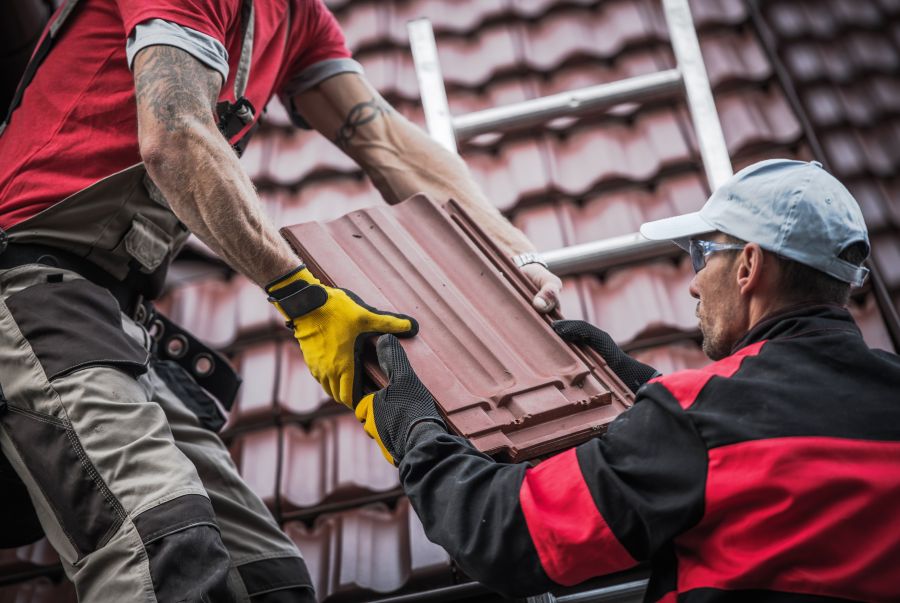
A cracked tile, a loose flashing, a gutter that overflows in heavy rain. On their own, these issues can look minor enough to put off for another month, or another season, especially when the roof still seems to be doing its job most of the time. That instinct to wait is completely understandable, but it’s also how small, cheap repairs turn into large, expensive ones. Roofs don’t fail all at once. They fail gradually, at a single weak point, and every month that point is left unaddressed is another month for water, weather, and gravity to make the damage worse.
How a Small Problem Becomes a Big One
Roofing systems are designed to work as a whole. Tiles, sheeting, flashings, sarking, and gutters all rely on each other to keep water moving in the right direction and off your property. When one part of that system is compromised, even slightly, the rest of the system is put under extra strain trying to compensate. A cracked tile doesn’t just let water through in one spot; over time, water tracks along battens and rafters, soaking into timber that was never designed to get wet, and gradually spreading the affected area far beyond the original crack. What starts as a repair costing a few hundred dollars can, after a year or two of being ignored, turn into a job involving replaced framing, new insulation, ceiling repairs, and sometimes mould remediation, running into the thousands.
Common Small Repairs Homeowners Put Off
Some of the most frequently delayed roofing issues are also some of the easiest and cheapest to fix while they’re still small. Recognising them early is often the difference between a straightforward callout and a much bigger job later on.
- A single cracked or lifted roof tile
- Small rust patches on metal roofing or flashings
- Gutters that overflow in moderate rain rather than only in storms
- Minor gaps or deterioration around flashing at chimneys, vents, and skylights
- A faint musty smell or small ceiling stain that hasn’t grown, yet
Each of these is usually quick and affordable to repair on its own. Left long enough, though, any one of them can develop into a leak that damages ceilings, walls, electrical fittings, and insulation, at which point the repair bill involves far more than roofing work.
The Hidden Cost of Waiting
The real cost of ignoring a small roof issue isn’t just the eventual repair, it’s everything that repair brings with it. A leak that’s been running unnoticed for months can saturate ceiling insulation to the point where it needs full replacement. Plasterboard ceilings affected by sustained moisture often need to be cut out and replaced rather than simply repainted. If water has been tracking along timber framing, that timber may need structural assessment and, in more serious cases, replacement. None of these costs exist if the original small leak is caught and fixed early, which is exactly why delaying repairs so often ends up being the more expensive option, not the more economical one.
Structural and Health Risks
Beyond the financial cost, a roof leak left unaddressed creates risks that go well beyond cosmetic damage. Persistent moisture is one of the main conditions that allows mould to establish itself inside a home, which can affect indoor air quality and become a genuine health concern for household members, particularly anyone with respiratory sensitivities. Sustained water exposure also weakens timber framing over time, and in serious, long-neglected cases, can compromise the structural integrity of sections of the roof itself. What began as a single loose tile can, months later, become a safety issue rather than a simple maintenance job.
Insurance Complications
Many homeowners assume that if a leak eventually causes serious damage, their home insurance will cover the cost regardless of how long the underlying issue existed. In reality, insurers frequently distinguish between sudden, unforeseen damage and damage that resulted from gradual deterioration or a lack of reasonable maintenance. A claim relating to a roof problem that clearly developed over an extended period, especially one a homeowner was aware of and didn’t act on, can be reduced or denied on the basis that it reflects a maintenance failure rather than a genuine, unexpected event. Addressing small issues promptly isn’t just good practice for the roof itself, it also protects your position if you ever need to make a claim.
Seasonal Timing Makes the Delay Worse
Timing matters here too. A small issue that seems manageable in dry, mild weather can turn into a serious problem the moment conditions change. Why winter is the worst time to ignore roof problems in Sydney homes explains how colder, wetter months put far more pressure on an already weakened roof, often turning a minor, tolerable leak into a much more disruptive one almost overnight. Repairs that could have been handled calmly in advance suddenly become urgent, and urgent roofing work is rarely cheaper than planned maintenance.
The Value of Regular Maintenance
The most effective way to avoid this entire chain of events is straightforward: address small issues as soon as they’re identified and have your roof checked regularly rather than waiting for a visible problem to force the issue. A residential roof maintenance and repair service is built around exactly this approach, identifying and resolving minor problems such as cracked tiles, deteriorating flashing and gutter issues before they have the chance to develop into something far more costly and disruptive.
Regular maintenance also gives you a clearer, ongoing picture of your roof’s condition, rather than relying on visible signs of damage indoors, which typically only appear once a leak has already been running for some time. A proactive approach costs far less over the life of a roof than a reactive one, both in repair bills and in the disruption of dealing with water damage inside your home.
Simple Checks Between Professional Visits
Alongside scheduled maintenance, there are a few simple habits that help catch problems between visits. After any significant storm, take a few minutes to look up at your roofline from the ground and check your gutters for debris or overflow. Keep an eye on any ceiling stain or musty smell, even a faint one, and treat it as worth investigating rather than something to monitor indefinitely. None of this replaces a proper inspection, but it does mean small changes are more likely to be noticed early, while they’re still a minor fix rather than a major repair.
Conclusion
It’s easy to look at a single cracked tile or a slightly rusted flashing and decide it can wait. In reality, that small window of time is exactly when the repair is cheapest, easiest, and least disruptive to deal with. Left alone, the same issue tends to compound, drawing in insulation, ceilings, timber framing, and sometimes your insurance position along with it. Treating small roof repairs as a priority, rather than an inconvenience to defer, is one of the simplest ways to protect both your home and your budget over the long term.