As the heat of July settles in, it is easy to focus exclusively on keeping your home’s interior cool, running the air conditioning, and planning outdoor barbecues. However, for the diligent homeowner, July represents something much more critical than just the height of summer fun: it is the optimal window of opportunity to prepare your home’s first line of defense against nature—your roof.
While many homeowners wait until autumn to think about winter weather or spring to assess storm damage, mid-summer is actually the strategic “sweet spot” for roof maintenance. With hurricane and storm season often extending well into the fall, waiting until the clouds start gathering to inspect your roof is a recipe for disaster. By taking action now, you can identify, address, and rectify hidden issues before they are exacerbated by the high winds, torrential rains, and debris that characterize late-season storms.
The Mid-Summer Advantage: Why July?
Timing is everything in home maintenance. Inspecting your roof in the middle of summer offers several distinct advantages over other times of the year.
First, the weather is consistently dry and warm. Roofing materials, particularly asphalt shingles and underlayment, are more pliable and easier to work with when the ambient temperature is high. Conversely, trying to repair or inspect a roof in late autumn or early spring often means dealing with brittle shingles that are prone to cracking.
Second, the clear, dry days of July provide the best visibility. You want to be able to see every square inch of your roof without the interference of morning frost, dampness, or looming overcast skies. By getting a clear look now, you establish a baseline of your roof’s health, making it much easier to spot any deviations or new damage later in the season.
The Inspection Checklist: What to Look For
Before the pressure of a looming storm system arrives, you should conduct (or hire a professional to conduct) a thorough evaluation of the following critical components:
1. Shingle Integrity
Walk around your property and look up. Using binoculars is fine, but a professional drone survey or a physical inspection by a qualified roofer is better. Look for shingles that are curling, cupping, or cracked. Granule loss—which often looks like sand or grit in your gutters—is a sign that your shingles are reaching the end of their lifespan and will be less resistant to high-velocity winds.
2. Flashing and Seals
Flashing is the metal material installed around chimneys, vents, skylights, and where the roof meets a wall. These areas are the most common entry points for water. Over time, heat expansion and contraction can cause flashing to pull away from the surface. If you see rusted, dented, or loose flashing, it is only a matter of time before a heavy downpour leads to an interior leak.
3. Vents and Penetrations
Your roof likely has several pipes and vents sticking out of it to allow for airflow and plumbing exhaust. The rubber “boots” or gaskets around these pipes can dry out, crack, and shrink under the intense heat of the summer sun. Once these seals are compromised, they become open doors for water during heavy storms.
4. Gutters and Downspouts
Your gutters do more than just manage rainwater; they protect your foundation. If your gutters are clogged with debris, water will overflow during a storm, potentially finding its way behind the fascia boards and into your roof structure. July is the perfect time to clear out the remnants of spring debris to ensure your drainage system is ready for the heavy volume of water common in hurricane-season storms.
The Role of Roof Cleaning in Your Inspection
One of the most overlooked aspects of roof maintenance is the condition of the surface material itself. Over time, roofs collect dirt, pollen, algae, and moss. While this might seem like a purely aesthetic issue, it can actually mask significant damage.
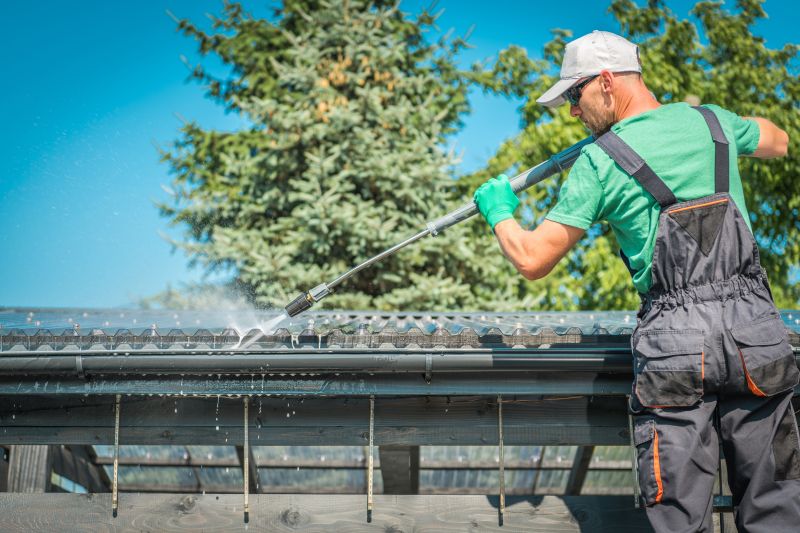
When shingles are covered in dark algae streaks or debris, it becomes nearly impossible to spot small cracks, missing granules, or loose fasteners. Furthermore, moss and algae can hold moisture against the surface of the shingles, accelerating their degradation. By investing in professional roof washing in Augusta, you strip away the grime, allowing for a clear, unobstructed inspection. A clean roof is not just a curb-appeal booster; it is a maintenance necessity that helps you identify developing issues before they become catastrophic failures.
Don’t Ignore the Surroundings: Tree Limbs and Debris
A sturdy roof is only as good as the environment around it. Mid-summer is the perfect time to look up at the trees overhanging your property. If you have branches that are within six to ten feet of your roof, they need to be trimmed back.
During a storm, high winds can turn even healthy branches into projectiles. If a branch scrapes against your shingles, it can strip away the protective granule coating in minutes, shortening the life of your roof by years. If a branch falls, it can puncture the roof decking entirely. Trimming these limbs now is a proactive measure that saves you from expensive structural repairs later.
Why Proactive Is Better Than Reactive
Many homeowners fall into the trap of “reactive maintenance.” They wait for a leak to appear on the ceiling before calling a roofer. The problem is that by the time you see a water stain on your drywall, the water has already traveled through your attic, soaked your insulation, and likely caused damage to the wooden roof decking.
Repairing a roof after a storm has caused damage is exponentially more expensive and stressful. You will likely be competing with your neighbors for a limited pool of available contractors, and emergency repairs are almost always more costly than planned maintenance.
By performing these checks in July, you have the luxury of time. You can get multiple quotes, schedule the work at your convenience, and ensure that your home is truly prepared for whatever the Atlantic or Gulf hurricane season throws your way.
Frequently Asked Questions (FAQs)
Why is mid-summer considered the best time to check a roof?
July provides warm, dry weather conditions that make roofing materials more pliable and easier to inspect or repair. Unlike the damp and brittle conditions of early spring or late autumn, the clear skies of mid-summer offer optimal visibility to spot minor damage before severe late-season storms and hurricanes arrive.
How does roof washing help with an inspection?
Over time, roofs accumulate dirt, algae, and moss that can obscure critical details. A thorough wash strips away this grime, making it much easier to spot developing issues such as hairline cracks, missing shingle granules, and loose fasteners that might otherwise remain hidden.
What are the most vulnerable parts of a roof during severe storms?
The most vulnerable areas include shingle edges, flashing around chimneys and skylights, rubber pipe boots around plumbing vents, and clogged gutters. High-velocity winds and heavy rains quickly target these weak points, making them the primary sources of interior water leaks.
How far back should tree limbs be trimmed from a roof?
Homeowners should trim back any tree branches that are within six to ten feet of the roofline. This prevents high winds from turning branches into damaging projectiles, stops constant abrasion against asphalt shingles, and minimizes heavy leaf and twig buildup in gutters.
What is the danger of waiting until a leak appears to inspect the roof?
Waiting for an interior water stain to appear usually means water has already traveled through your attic, soaked insulation, and potentially compromised the wooden roof decking. Proactive inspections allow you to fix minor wear and tear on your own schedule before it escalates into a costly emergency repair.
Final Thoughts
The goal of mid-summer roof maintenance is peace of mind. A roof is a major investment, and it is the only thing standing between your family’s most valuable assets and the elements. By taking a proactive approach, clearing your gutters, trimming your trees, and utilizing professional services to ensure the roof is clean and clear of hidden issues, you are effectively “storm-proofing” your lifestyle.
Do not wait for the radio to announce a tropical storm watch before you decide to check the state of your roof. Use this time—the height of summer—to look up, assess, and act. Your home, your bank account, and your peace of mind will thank you when the winds start to howl later this season.