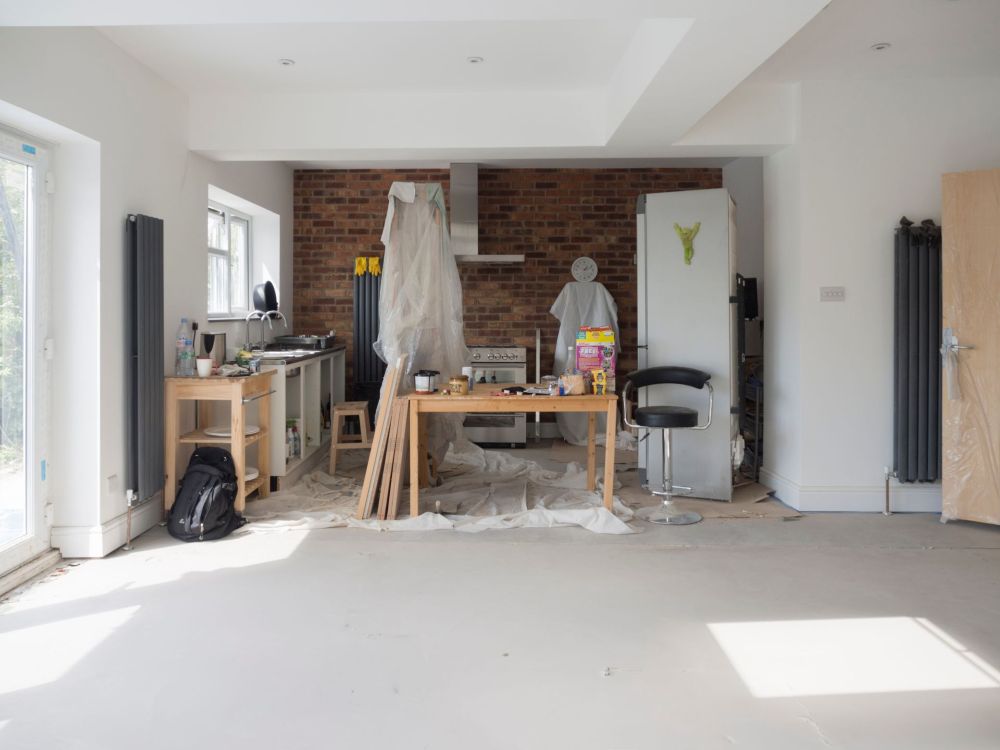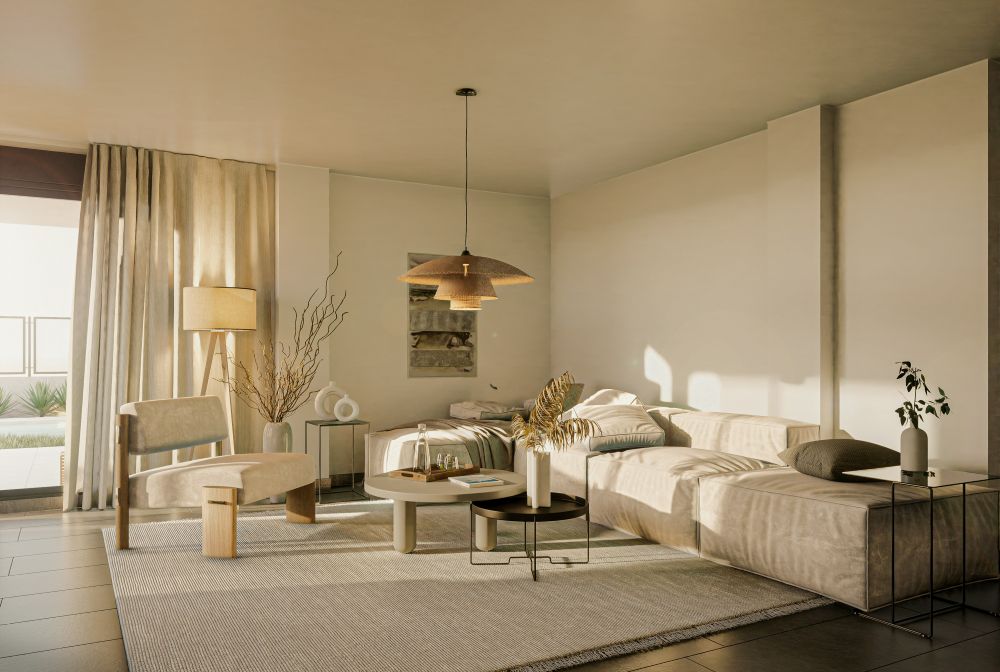
The most memorable interiors are often built from contrast. Architects and designers combine elements from different time periods to create spaces that feel layered, personal, and balanced. A sleek glass addition attached to a historic home, a modern sofa placed beneath ornate molding, or contemporary lighting in a traditional building can create visual interest.
When done well, juxtaposition between old and new gives a space character and keeps it functional for modern life.
Blending history with modern living
Many older buildings contain details that are difficult to replicate today. Original woodwork, stone walls, decorative ceilings, and handcrafted finishes bring a sense of depth to a space. Rather than removing these features, architects often preserve them and introduce modern materials alongside them.
A renovated warehouse, for example, may retain exposed brick walls while incorporating steel staircases and minimalist furnishings. The contrast helps highlight the strengths of both styles. The historic elements provide warmth and texture; the newer additions introduce simplicity and practicality.
Creating visual contrast
Juxtaposition works because people naturally notice differences. Smooth surfaces next to rough textures, light materials paired with darker finishes, and contemporary forms beside traditional details all draw attention.
Designers often use contrast to guide the eye through a room. A modern dining table placed in a historic setting can become a focal point. Likewise, contemporary artwork displayed against classic architectural features creates a fresh perspective on both elements.
The goal isn’t necessarily to make every feature match but to create a relationship between contrasting pieces so the room feels intentional.
Using furnishings to connect eras
Furniture and decorative accessories are often the easiest way to combine different design periods. A room with clean modern lines can gain warmth from carefully chosen vintage-inspired pieces. Likewise, a traditional interior can feel refreshed with contemporary furniture and lighting.
Some homeowners look for antique looking home decoration for a sense of heritage without turning their homes into period recreations. These pieces can complement modern architecture, adding texture, craftsmanship, and visual depth. The most successful spaces usually avoid strict adherence to a single style. Mixing influences often results in a more natural and comfortable environment.
Balancing proportions and materials
Successful juxtaposition requires restraint. If every element competes for attention, a space can feel chaotic. Designers carefully consider scale, proportion, and material selection to maintain harmony.
A large modern extension attached to a historic structure may use glass to create a visual distinction between old and new. The transparency allows the original building to remain the focus while clearly showing which parts belong to different periods.
Material choices play a similar role indoors. Natural wood, stone, metal, and glass can connect contrasting styles when used consistently throughout a project.
Why layered spaces feel more personal
Homes and public spaces often tell stories about the people who use them. Combining pieces from different eras reflects changing tastes, experiences, and influences gathered over time.
Design and architecture that contain both contemporary and historic elements often feel more authentic than something built entirely around a single trend. The mix creates depth and allows individual features to stand out.
Architects and designers embrace juxtaposition because it offers flexibility and creative freedom. By thoughtfully combining old and new, they create environments that feel distinctive, functional, and connected to both the past and the present.