What’s the first thing you test when the power goes out? Maybe you flip a switch, check your Wi-Fi, or nudge the thermostat like it’s going to answer your questions. Most of us don’t realize how much we rely on hidden systems until something breaks. That’s when your house either holds steady—or folds like a lawn chair in a hurricane.
We talk a lot about style when it comes to homes. Open-concept kitchens. Walk-in closets. Granite countertops. But lately, more homeowners are realizing that looks won’t protect you during a heatwave or a cold snap. Function matters. Design matters. But nothing matters more than how your home performs under stress.
In places like Palm Bay, FL, resilience is not a future goal. It’s a current necessity. With intense storms, record heat, and growing strain on public utilities, your house needs to do more than shelter you. It has to think ahead.
In this blog, we will share how a home can be built—and maintained—to stay reliable, responsive, and livable no matter what conditions come your way.
What’s Working Behind the Scenes?
Resilience doesn’t come with blinking lights. It lives in the quiet parts of your home—the ducts behind the walls, the layers of insulation in the attic, the wires tucked behind drywall. You don’t notice them on a good day. But they’re doing more work than you think, especially when the weather turns unfriendly.
Comfort isn’t just about hitting the right temperature. It’s about control. Can your system respond when the humidity jumps? Can it handle the afternoon heat without dragging down the rest of the house?
Opt for reliable HVAC services in Palm Bay, FL, when your home needs to do more than just feel cool. High humidity and rising temperatures aren’t just unpleasant. They can strain materials, trigger mold growth, and affect your indoor air quality.
A well-maintained HVAC system is part of your home’s first line of defense. It keeps allergens in check. It helps the home last longer while making life inside easier to enjoy. And in a place where forecasts change fast, it pays to have a system that works when you need it most.
The Materials You Choose Make All the Difference
Walk into a house built with weak materials, and you can feel it. Walls that feel thin. Windows that whistle in the wind. Floors that creak when temperatures shift. These aren’t just minor flaws. They’re signs your home may struggle when pressure builds.
Today’s building trends are starting to shift toward durability. Homeowners want materials that can hold up to heat, resist water, and respond to stress without falling apart. That means impact-rated glass, reinforced roofing, and water-resistant flooring.
It doesn’t mean your home has to look like a fortress. Smart design can be beautiful and functional. The point is that you’re not relying on appearances to carry you through the unexpected.
Good insulation, for example, doesn’t just lower your energy bill. It buys you time during an outage. A well-insulated home holds its internal temperature longer, giving you a buffer before the house gets uncomfortable. That matters when response times are slow or service is overloaded.
How Your Home Is Laid Out Matters More Than You Think
A house isn’t just a collection of rooms. It’s a system. And like any system, its layout affects how well it can function under pressure.
Think about airflow. Can air circulate naturally if your fans go offline? Do your windows align for cross-ventilation? Is the kitchen placed where it gets the most heat during the day?
Resilience means planning ahead. Not just for everyday tasks, but for moments when systems are strained. A good layout makes it easier to move through the home, manage indoor conditions, and shut down areas that don’t need power or cooling.
Also, where are your most critical components located? Can you reach your breaker box easily in the dark? Is your HVAC unit shaded from direct sun to prevent overheating? Are your pipes and wires accessible in case of emergency?
The little details make a big difference when the pressure is on.
Maintenance Is Not a Luxury
A well-built home still needs care. You can have the best materials and the smartest layout, but if your systems are neglected, you’ll still get caught off guard.
Resilience is built over time through regular maintenance. Replace your filters. Clear debris from your vents. Seal the cracks that develop over the seasons. These are not cosmetic chores. They’re structural investments.
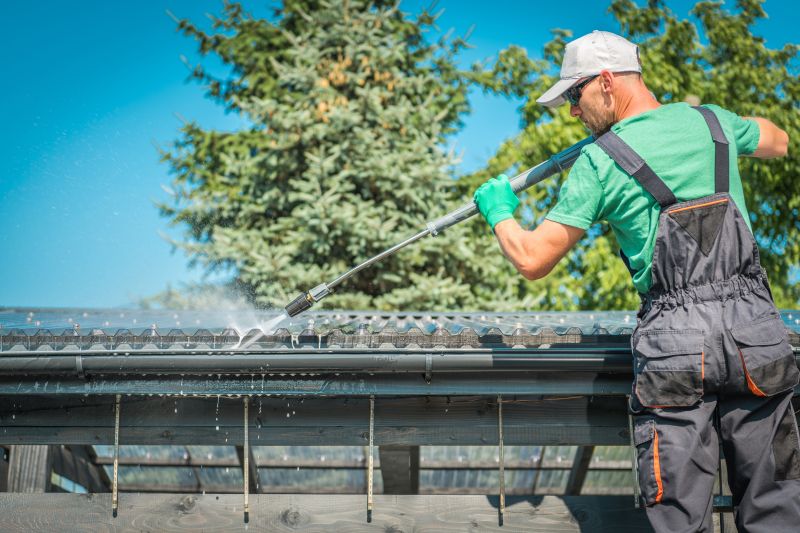
Check your roof after every storm. Make sure your gutters are draining properly. Get your HVAC system checked twice a year, not just when it starts making weird noises.
Think of your home like a living thing. It reacts to stress. It shifts with age. The more attention you give it, the longer it can protect you when conditions go sideways.
Backup Plans Belong in Every Room
Power grids are under pressure. Storms are more intense. Repairs take longer than they used to. That’s why every resilient home needs a backup plan—and not just for the big stuff.
Yes, a generator helps. So does solar with battery storage. Many homeowners wonder do homes with solar sell faster, and studies suggest that energy-efficient features like solar panels can indeed make a property more attractive to buyers. But there’s more to it than that.
Portable fans. Battery-powered lights. A manual window lock in case the smart system glitches. Even blackout curtains can help preserve temperature if your HVAC system shuts down.
Layer your options. If one system fails, another picks up the slack. That’s the difference between resilience and risk.
Quiet Strength Is the Goal
You don’t need your house to impress your neighbors. You need it to hold up when no one’s watching. You need it to stay cool when the air outside feels like soup. To stay dry when the rain won’t stop. To stay safe even when the lights go out.
That’s what resilience looks like. Not just surviving. But adapting. Responding. Staying ready without making a scene.
So the next time you look at your house, don’t just think about upgrades. Think about performance. Think about the systems that keep working when the pressure’s on.
Because comfort is nice. But resilience is what gets you through.