When people think about development, attention usually goes to what rises above ground.
Architectural expression, building height, materials, façades, and interior experiences tend to define how projects are perceived. Yet the success of vertical development often depends on decisions made long before foundations are poured and structures begin to take shape.
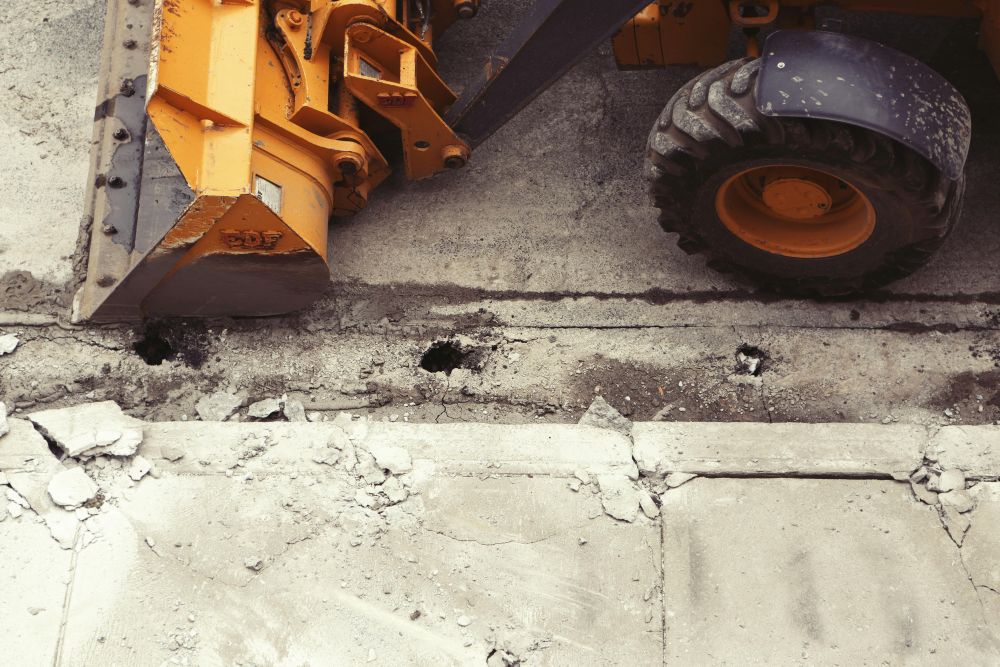
Civil construction planning forms the groundwork that allows buildings to function as intended. It connects site realities with design goals and creates the conditions necessary for construction to move efficiently from concept to completion.
Without careful planning at this stage, even well-designed projects can encounter delays, budget pressure, or long-term performance issues.
Civil Construction Planning Extends Beyond Site Preparation
Civil construction planning is sometimes misunderstood as simply preparing land for building activity.
In practice, it involves a broader process that evaluates how a site will support development over time.
Depending on the project, planning may include the following:
- Site analysis and feasibility assessment
- Earthwork and grading strategies
- Utility coordination
- Drainage and stormwater management
- Road and access planning
- Infrastructure placement
- Environmental and regulatory considerations
- Construction sequencing
These decisions shape how efficiently the project progresses and whether later phases can move forward without avoidable interruptions.
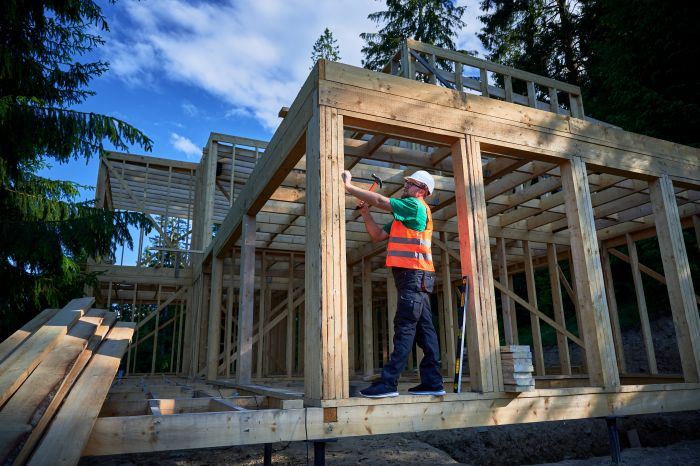
Vertical development does not begin when structural work starts. In many ways, it begins when the site is understood.
Site Conditions Directly Influence Building Performance
Every development site introduces unique opportunities and constraints.
Topography, soil composition, water behavior, existing infrastructure, and surrounding land use all influence how a project should be designed and constructed.
Ignoring these conditions early can create challenges later, including:
Structural Adjustments
Unexpected soil conditions may require redesigns that affect schedules and budgets.
Drainage Complications
Poor water management can impact foundations, landscape performance, and long-term maintenance.
Access and Logistics Issues
Construction equipment, material movement, and staging areas require early consideration.
Utility Constraints
Existing infrastructure capacity may influence project feasibility and expansion potential.
By evaluating site conditions before vertical development begins, teams gain a clearer understanding of what the site can realistically support.
Early Coordination Reduces Expensive Changes Later
One of the greatest advantages of civil construction planning is reducing uncertainty.
As projects become more complex, coordination between disciplines becomes increasingly important. Architects, engineers, consultants, and construction teams all rely on early decisions that affect later execution.
When planning occurs early, project teams are better positioned to:
- Identify constraints before design advances
- Reduce change orders during construction
- Improve scheduling accuracy
- Coordinate infrastructure requirements
- Support more predictable budgeting
Making adjustments during planning is typically less disruptive than redesigning after construction activities have started.
This early alignment often creates smoother project delivery from start to finish.
Infrastructure Planning Supports Long-Term Growth
Vertical development requires more than structural capacity.
Buildings depend on systems that support occupancy and operation over time. Infrastructure decisions made during civil planning influence how effectively a development functions once complete.
Important considerations may include:
- Water and utility access
- Stormwater management
- Vehicular and pedestrian circulation
- Site accessibility
- Future development flexibility
Infrastructure that is underplanned can limit long-term performance, even if the building itself meets expectations.
Strong civil planning creates a framework that supports both immediate project goals and future adaptation.
Civil Planning Strengthens Collaboration Across Disciplines
Successful projects rarely happen in isolation.
Architectural vision becomes easier to execute when site planning, engineering, and construction considerations are addressed together rather than sequentially.
Collaborating early with a civil construction company in Silt CO, can help project teams identify infrastructure needs, site constraints, and preparation requirements before vertical development begins.
This kind of coordination allows teams to make informed decisions earlier in the process and reduce friction as projects move into construction.
The Ground Phase Deserves More Attention
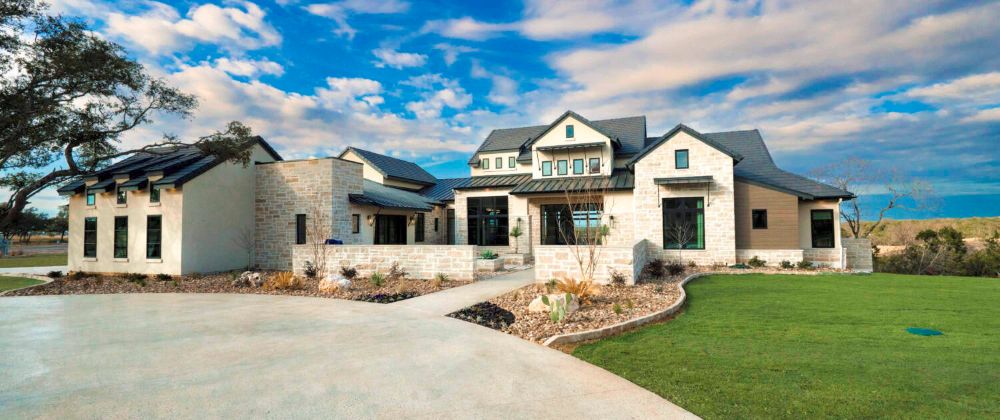
Vertical development naturally draws attention because it is the most visible stage of a project.
However, the quality of what rises above ground often reflects the quality of planning that happened beforehand.
Civil construction planning creates the physical and operational foundation that supports design intent, construction efficiency, and long-term performance.
Projects that invest time in understanding site conditions and infrastructure requirements are often better positioned to deliver outcomes that meet both functional and architectural goals.
Final Thoughts
The success of vertical development is shaped long before the first visible structure appears.
Civil construction planning provides the groundwork that connects design ambition with real-world conditions. From site readiness and infrastructure coordination to long-term project performance, these early decisions influence every stage that follows.
When planning receives the attention it deserves, vertical development becomes more efficient, more resilient, and better prepared to deliver lasting value.